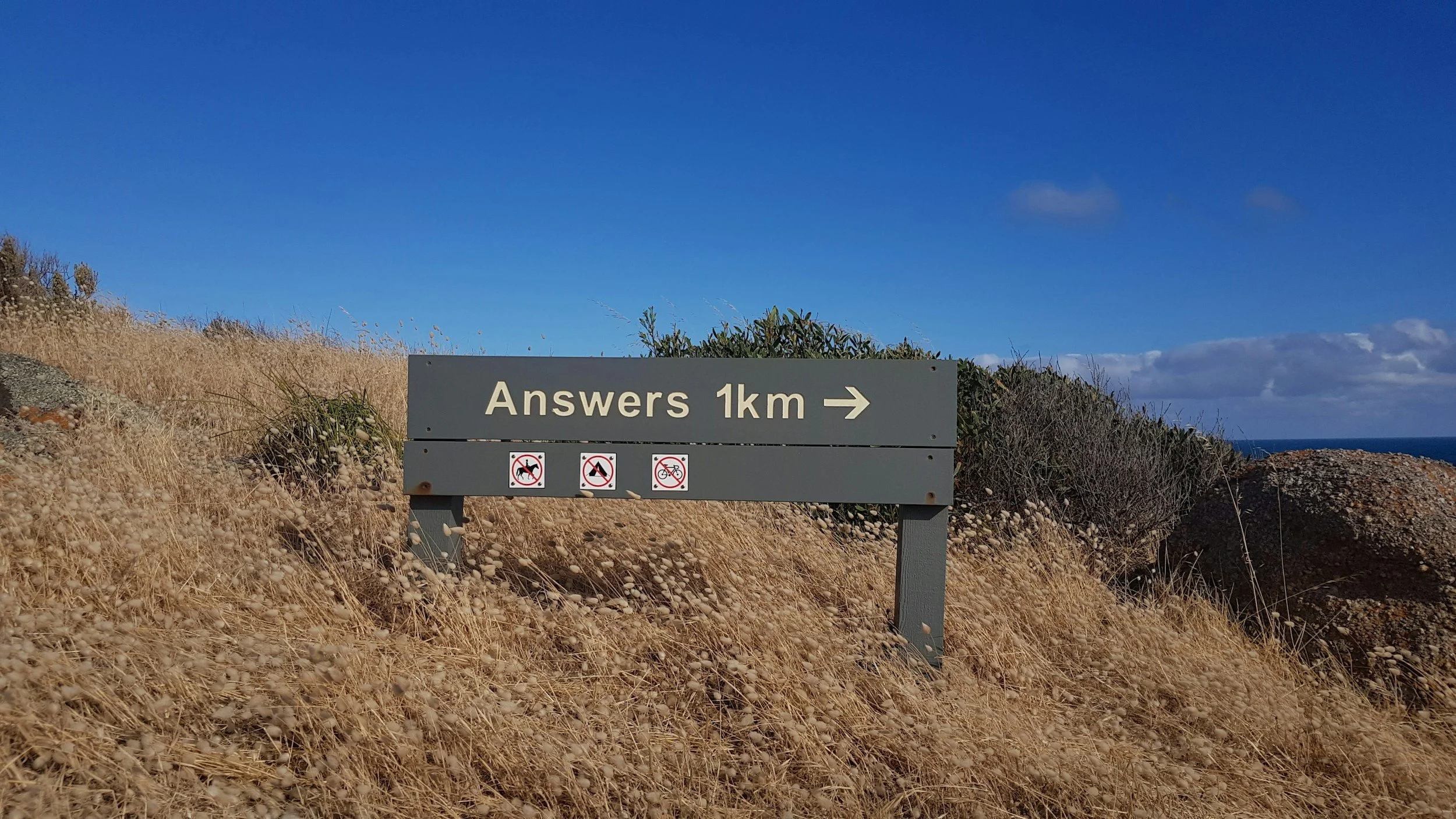
Maybe It’s Not Your Age
You’re doing what you believe are the right things.
So why don’t you feel the way you think you should?
You eat pretty well.
You exercise.
You take the supplements.
You’ve tried the diets, the workouts, the apps, the podcasts, the experts, and probably a few things you’d rather not admit you spent money on.
And yet…
You’re stiff.
Your energy isn't what it used to be.
Your sleep is unpredictable.
Your body feels different.
Maybe you're gaining weight despite doing what you've always done.
Maybe everything seems harder than it used to.
And somewhere along the way, you started wondering:
Is this just what happens after 40?
Maybe.
But maybe it isn't.
Maybe there's another explanation.
Here’s The Problem
We have more health information available to us than at any other point in history.
And somehow, we're more confused than ever.
Eat less. Eat more protein. Count calories. Don't count calories. Eat plants. Don't eat plants. Avoid fat. Eat more fat. Exercise more. Rest more. Take this supplement. Track this number. Download this app. Follow this expert. Start over Monday.
Meanwhile, you're standing in the grocery store trying to figure out whether the food you're buying is actually helping you.
And when your body doesn't cooperate?
You're often told it's hormones.
It's stress.
It's aging.
It's your metabolism.
It's genetics.
Or maybe you just need to try harder.
What if we stopped assuming the answer and started paying attention to the data?

We Have A Health Problem
As of 2026, data from the National Health and Nutrition Examination Survey (NHANES), the Centers for Disease Control and Prevention (CDC), and landmark studies published in the Journal of the American Medical Association (JAMA) paint a deeply troubling picture: the overwhelming majority of American adults are not metabolically healthy. Researchers at the University of North Carolina at Chapel Hill’s Gillings School of Global Public Health have described the situation in stark terms — the prevalence of optimal metabolic health in American adults is “alarmingly low.” Only 1 in 8 Americans — just 12.2% of the adult population — meets the criteria for good metabolic health, meaning roughly 87.8% of American adults are living with at least one metabolic risk factor, whether they know it or not. This is not a marginal public health footnote. It is a systemic crisis embedded in everyday American life. [1]
That's not a small crack in the system.
That's a giant flashing question mark.
So maybe the question isn't:
“Why aren't people trying hard enough?”
Maybe we should be asking:
“Are we actually teaching people how to be healthy?”
Modern medicine is incredibly valuable. It saves lives, treats serious illness and does things that would have been unimaginable a century ago.
But there's a gap.
The healthcare system isn't necessarily designed to spend hours helping you figure out why you're tired, stiff, gaining weight, sleeping poorly or feeling unlike yourself.
And nutrition advice often gets reduced to a list of foods you're supposed to eat more of or less of.
That's where I come in.


I Look At Health
A Little Differently

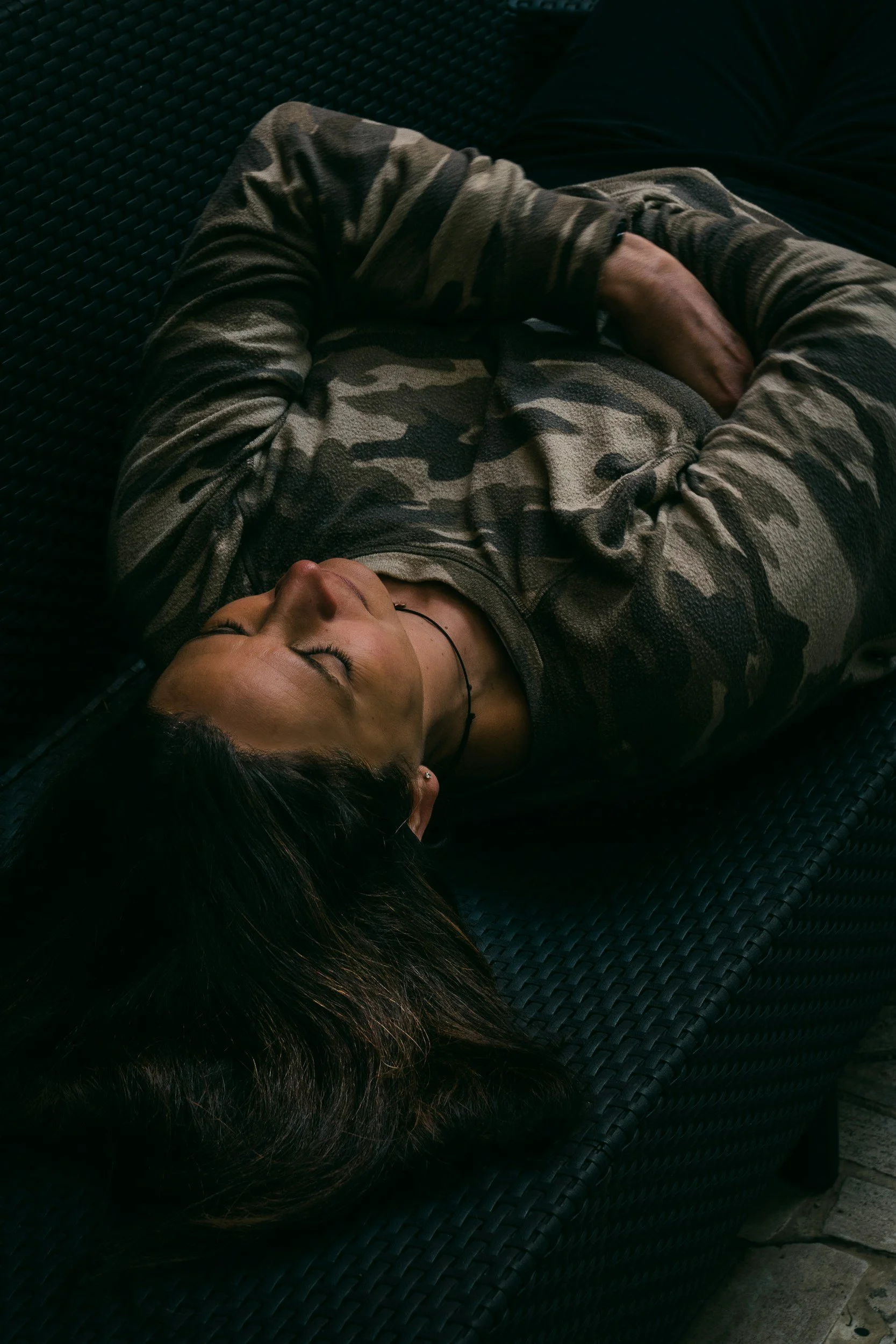

Why Listen To Me?
Because I've spent decades learning to look at the human body from more than one angle.
I started my career as an analytical chemist, where I learned to look past labels and marketing and ask what's actually there.
I've been reading ingredient labels since my twenties.
I've spent more than 24 years working hands-on with human bodies, learning how people move, compensate, hold tension and respond differently to the same intervention.
I've taught anatomy and physiology and spent more than a decade studying nutrition, movement, sleep, stress and lifestyle. I became a Primal Health Coach because I wanted to understand the bigger picture—not just what happens on the massage table.
And I'm still learning.
Because I don't believe there's one expert, one diet, one test or one protocol that can tell you everything you need to know about your body.
What I can do is help you become a better investigator of it.
That's what The Other 23 is about.
>>>
But Here’s The Important Part:
You need someone who can help you make sense of what you're experiencing.
Someone who can help you ask better questions.
Someone who understands that what happens in the kitchen matters.
But so does what happens when you leave the kitchen.
Your sleep.
Your movement.
Your stress.
Your sunlight.
Your hydration.
Your daily activity.
Your environment.
Your habits.
Your recovery.
Your relationship with food.
And yes, sometimes the way your body is moving and functioning.
I don't just talk about bodies.
I work with them every week.

INTRODUCING
THE OTHER 23: FIELD STUDY

A 12-week small-group health experiment for women 40+ who are doing what they believe are the right things—but still don't feel right.
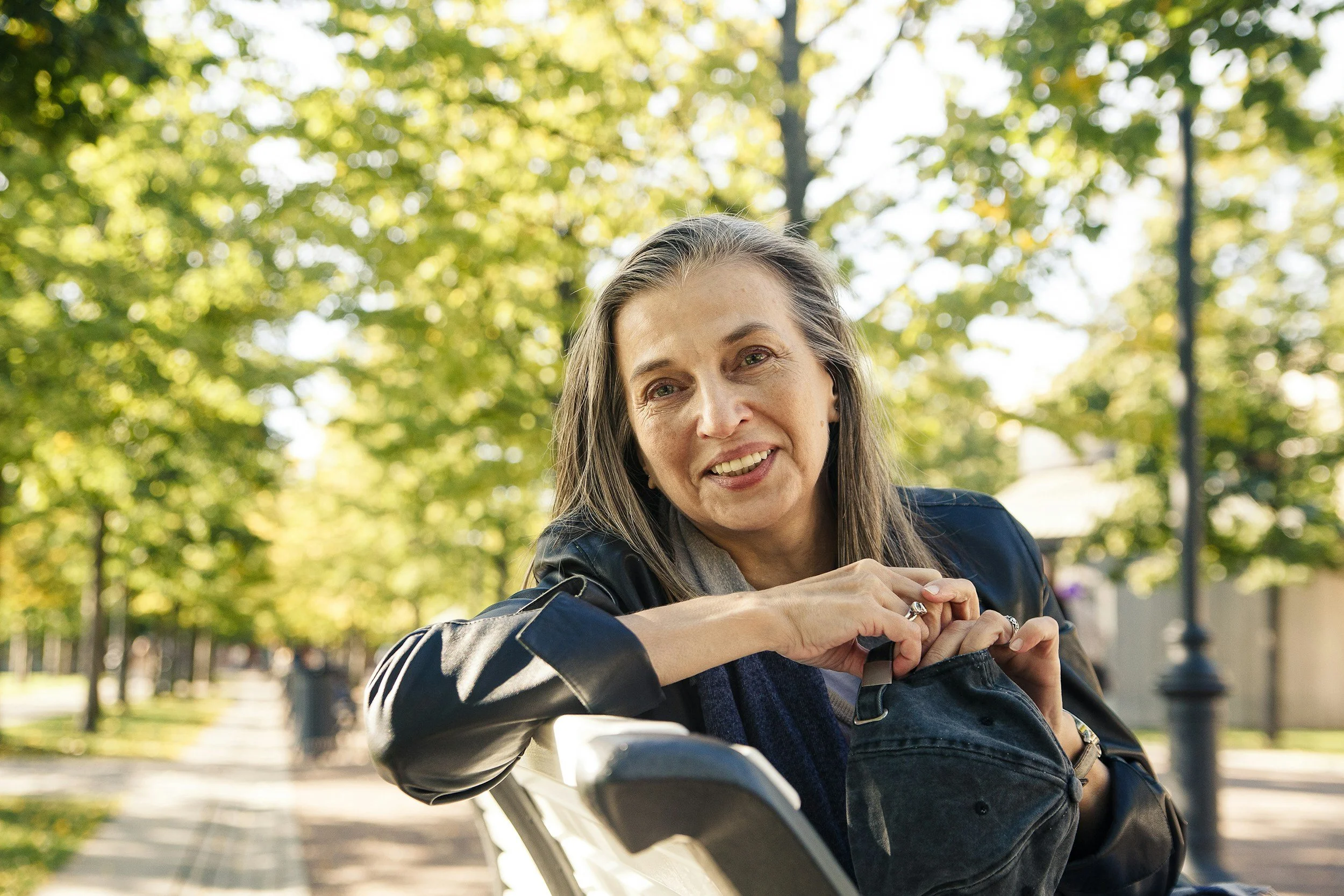
What We’ll Actually Do:
Over 12 weeks, we'll look at the pieces of your life that can influence how you feel—and, more importantly, how those pieces interact.
Food
Not another list of “good” and “bad” foods.
We'll look at what you're actually eating, how you feel, what you're noticing and what may be worth experimenting with.
Stress
Not all stress can be eliminated.
But your body doesn't necessarily know the difference between an overloaded calendar, poor recovery and a constant feeling that you should be doing more.
Movement
Not “exercise more.”
We'll look at how you move, how much you move throughout the day, what your body tolerates and what helps you feel capable.
Daily Life
The boring stuff is often the stuff we forget.
Daylight
Water
Minerals
Walking
Recovery
Time outside.
The things that happen between appointments.
Sleep
Because your sleep affects far more than whether you're tired the next morning.
We'll pay attention to patterns rather than chasing another magic sleep solution.
Your Body
Individualized bodywork throughout the program.
Your body is giving you data. Tension, aches and pains, and how your body feels are things worth noticing.
We’re going to learn how to read it.
This is not a program designed for perfect people.
It's designed for real life.
Which is exactly why we're starting in October.
October → January

OCTOBER - Build your baseline.
Where are you now?
What are you doing?
What feels good?
What's not working?
What do you want to change?
Before we change anything, we need to know where we're starting.
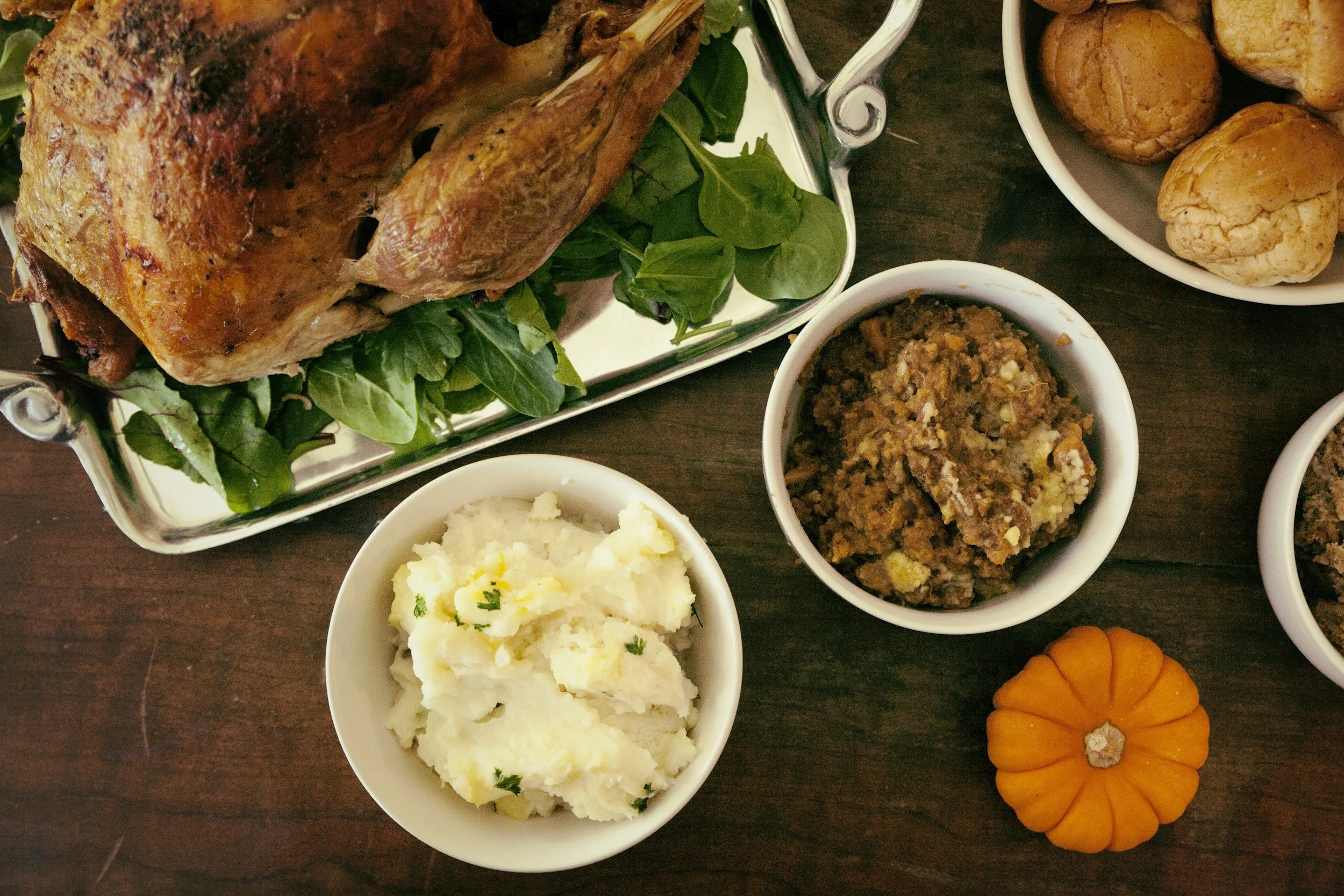
NOVEMBER →Navigate Thanksgiving without the
“I blew it” spiral.
One meal isn't the problem.
The all-or-nothing thinking that follows it can be.
You'll learn how to make decisions in the real world without needing a perfect environment

DECEMBER →Live your actual life.
Parties, Travel, Family, Desserts, Late nights
Stress, and Busy schedules.
We're not putting your health on hold until January.
We're learning how to navigate life while taking care of yourself.

JANUARY →Don't start over.
This is the part I really want for you!!
Instead of waking up January 1st thinking,
“Okay. This time I'm going to do it.”
You'll have three months of information. You'll know what helps and what doesn't.
What surprised you, what you enjoy, and how your body responds. You'll have data.
You won't need another restart.
This Is Different From Other Health Programs
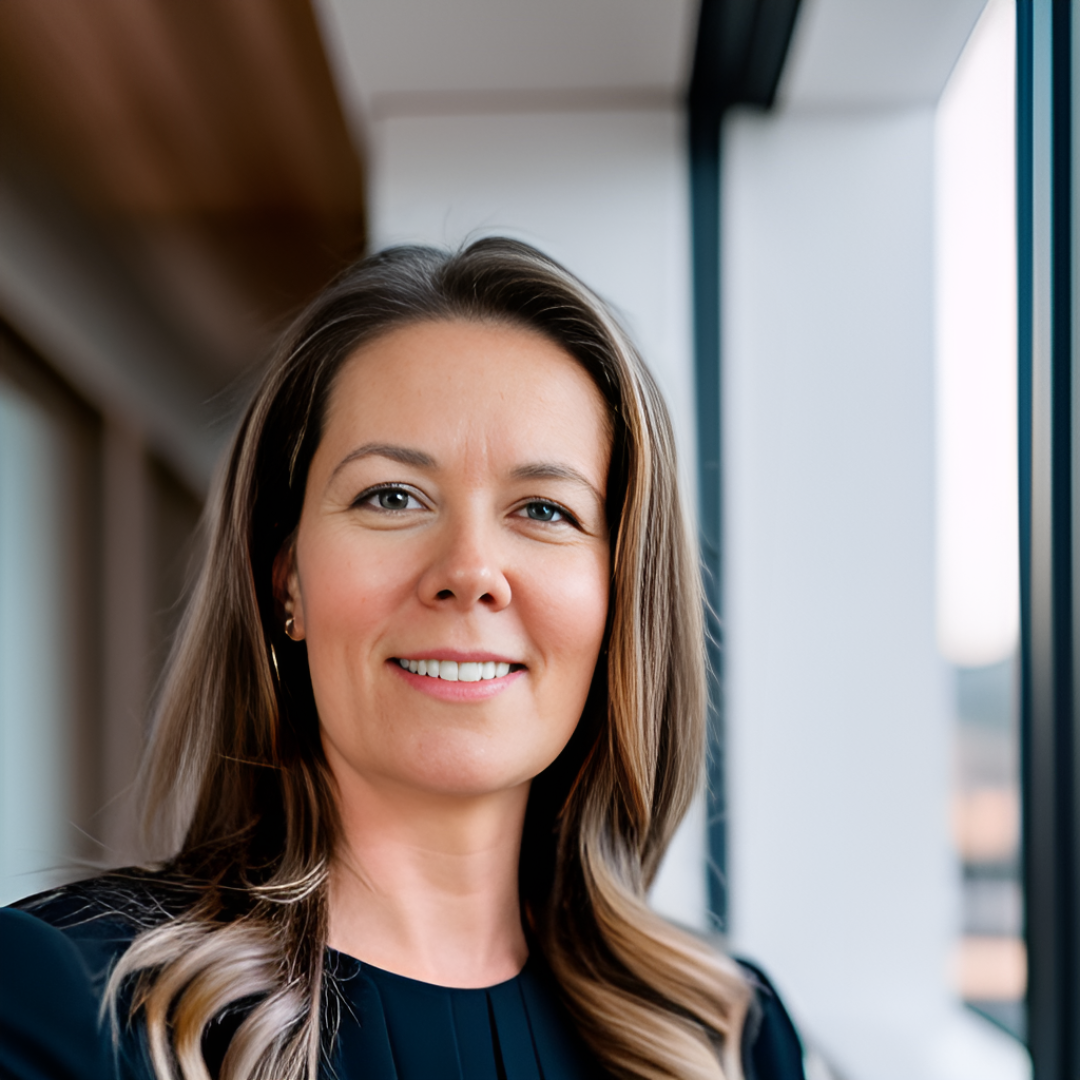
Hello!
Most programs give you the plan.
Eat this.
Don't eat that.
Do these workouts.
Take these supplements.
Follow these rules.
Then they hope you'll follow the plan.
I'm more interested in teaching you how to figure things out.
What You’ll Walk Away With
A better understanding of your body
Instead of automatically blaming age, hormones or bad genetics, you'll have a clearer picture of what may actually be influencing how you feel.
A way to stop chasing every new health answer
You don't need to become an expert in every health topic on the internet.
You need a better way to decide what deserves your attention.
Practical strategies for real life
Because knowing what to do on a perfect Tuesday isn't especially useful if you don't know what to do during Thanksgiving, vacation, a stressful workweek or a terrible night's sleep.
Six individualized therapeutic bodywork sessions
Your body is part of the conversation.
We'll use hands-on work to address what's showing up physically and give you another way to pay attention to how you're feeling and moving.
A collection of personal data and observations
Not a spreadsheet full of numbers for the sake of numbers.
Useful information about you.
More confidence in making your own decisions
The goal isn't to make you dependent on another expert.
It's to help you become better at understanding yourself.
Your Health Deserves A Better Process
Observe.
Question.
Experiment.
Pay attention.
Learn.
Adjust.
Repeat.
That's the Field Study.
Your body is the experiment.
I'm here to help you read the data.
-
You're over 40 and increasingly wondering whether your body has changed permanently.
You're doing things you believe are healthy but don't feel as healthy as you think you should.
You've tried diets, exercise programs, supplements or wellness plans before.
You know a lot about health—but still don't know what actually works for you.
You're tired of conflicting advice.
You don't want another person barking orders at you.
You want to understand the “why,” not just follow instructions.
You're willing to experiment.
You're curious enough to question your assumptions.
You want to feel capable in your body—not spend the rest of your life managing it.
-
You want someone to hand you a perfect meal plan and tell you exactly what to eat.
You want a 30-day transformation.
You want to be yelled at until you exercise.
You want someone to guarantee you'll lose a certain amount of weight.
You aren't interested in experimenting or paying attention to your own experience.
Or you're looking for another program that tells you exactly what to do without asking any questions.
I'm not looking for passive participants.
I'm looking for curious ones.
-
After more than 24 years of working with bodies, I've noticed something.
People often come to massage because something hurts.
We work on it.
They feel better.
And then life happens.
They sit at a desk.
They stop moving.
They don't sleep.
They're stressed.
They're traveling.
They're eating differently.
They're doing too much.
They're recovering from too little.
And eventually, the same patterns show up again.
Massage can be incredibly useful.
But massage is only one hour—or 90 minutes—of your life.
What happens during the other 23 hours matters.
That's why I created The Other 23.
Because I don't want to create clients who need me forever.
I want to help people become better at understanding themselves.
-
There's a reason I'm so interested in helping people become more informed about their own health.
The numbers are hard to ignore.
We have extraordinary medical technology.
We have more nutrition information than ever.
We have wearable devices, tracking apps, supplements, health influencers and an endless stream of advice.
And yet chronic disease remains one of the biggest challenges facing Americans.
That's worth questioning.
Not with cynicism.
With curiosity.
What are we missing?
And perhaps more importantly:
What can you do differently when you understand your own body a little better?
I'm not here to replace your doctor, your medical care or the healthcare system.
I'm here to fill a different gap:
Helping you connect the dots between what you eat, how you live, how you move and how you feel.
What If January Looked Different This Year?
What if you didn't start the new year with another diet?
Another resolution?
Another promise that this time you'd finally get it together?
What if you walked into January knowing more about your body than you did in October?
Knowing what foods work for you.
Knowing what habits make a difference.
Knowing what happens when you sleep well.
Knowing how your body responds to movement.
Knowing how to navigate holidays without throwing everything away.
Knowing what actually matters to you.
Knowing what doesn't.
What if you didn't need another restart?
What if you finally had a better starting point?
The Other 23: Field Study
12 weeks
20 women
One small group
Six individualized bodywork sessions (90 minutes each)
Bi-weekly health coaching (60 minutes)
Field Guide + resources
Real-life experiments
October → January
$2,500 (payment plan available)
This is intentionally limited to 20 women per cohort.
There is no rolling enrollment.
There isn't a giant online community with hundreds of people you'll never meet.
This is small because I want to actually know who's in the room.
And because I want the bodywork component to remain genuinely individualized.
Ready To Get Curious?