

Therapeutic Massage In Boise: More Than Just Deep Tissue
Table of Contents
Why Boise Therapeutic Massage Isn't Just a Harder Massage
Relaxation Massage vs. Therapeutic Massage: What Actually Differs
What Medical Massage Means in Practice
Credentials, Explained Without the Alphabet Soup
Matching Technique to Condition
How to Prepare for a First Session
Chronic Tension: When the Place That Hurts Isn't the Place That Needs Attention
A Pattern Worth Noticing
Condition-Specific Patterns
What to Do After a Session
When the Pattern Doesn't Match the Story
Myoskeletal Alignment and the Body-as-System Approach
What to Expect in a Therapeutic Session With Jennifer Essary
Intake, Assessment, and Why Every Session Looks Different
The Other 23 Hours: What Happens Outside the Massage Room
Frequently Asked Questions
Last Updated: Oct 2, 2026
Why Therapeutic Massage Isn't Just a Harder Massage
Most people assume a therapeutic massage is just a deep tissue massage with more pressure.
Therapeutic massage is goal-oriented bodywork: it assesses how the whole body moves and compensates, then treats the soft tissue patterns behind pain, restricted motion, or chronic tension.
If you have been searching for Boise therapeutic massage and keep landing on the same answer, pressure, this article is for you.
Relaxation Massage vs. Therapeutic Massage: What Actually Differs
Relaxation massage follows a predictable sequence, broad strokes, moderate pressure, a soothing environment, and it does nervous system calm well. Therapeutic massage starts with questions: What movements hurt? When did this begin?
The difference shows up in the treatment plan, not the pressure level. A therapeutic session may use slow myofascial release, trigger point therapy, neurodynamics, or craniosacral therapy depending on what the assessment reveals.

Relaxation Massage
Primary goal: Calm and stress relief
Pressure: Light to moderate
Assessment: Minimal
Session Plan: Standard sequence
Best for: General Wellness
Therapeutic Massage
Primary goal: Restore motion, reduce pain
Pressure: Varies by tissue and goal
Assessment: Movement and posture screening
Session Plan: Customized each visit
Best for: Chronic tension, injury recovery
Neither approach is better. They answer different questions.
What Medical Massage Means in Practice
Medical massage is therapeutic massage delivered with a clinical mindset as well as an in depth knowledge of anatomy and physiology. In Idaho massage therapists are licensed by the Board of Massage Therapy, which is part of the Division of Occupational and Professional Licensing. Massage therapists in Ohio are licensed by the Ohio State Medical Board. Jennifer holds licenses in each state.
Schedule A Bodywork Session With Jennifer →
A first visit includes intake covering history, prior injuries, work posture, sleep position, and what you have already tried.
What medical massage is not: a diagnosis, a replacement for medical treatment, or a guarantee. It is one useful tool in a broader investigation of why your body feels the way it does.
Credentials, Explained Without the Alphabet Soup
If you have compared massage listings, you have seen LMT, CMT, and a string of continuing-education abbreviations. The plain version:
LMT (Licensed Massage Therapist): The baseline credential, a state license requiring an approved training program and a passing exam.
CMT (Certified Massage Therapist): Often used interchangeably with LMT, though "certification" technically refers to a voluntary credential from a professional body rather than the state license itself.
Medical massage certification: Signaling additional training in assessment, clinical documentation, and condition-specific protocols, not a different license.
What this means for you: letters after a name tell you about training, not fit. A therapist with a long list of certifications who runs the same 60-minute sequence on every client is still offering a routine. One who asks questions, watches you move, and changes the plan based on what they find is doing therapeutic work, regardless of the abbreviations.
Matching Technique to Condition
Therapeutic massage resists a menu because the same complaint can have different drivers. Still, some patterns show up often enough to be worth naming.
Desk-worker neck and upper back tension: Often involves the thoracic spine losing extension, the shoulder girdle drifting forward, and the neck working overtime to hold the head up. Work typically addresses the mid-back and breathing pattern, not just the neck.
Lower back tightness: Can originate from hip mobility restrictions, a stiff thoracolumbar fascia, or guarding from an old injury. Assessment determines which.
Sciatica-type symptoms: Nerve-related complaints call for a different approach than muscular tightness. Neurodynamics may be relevant, and medical evaluation matters, because not all leg pain is muscular.
Tension headaches: Frequently trace to the jaw, suboccipitals, and upper cervical area, with contributors further down the chain.
Post-surgical or injury recovery: Scar tissue and compensatory patterns often need gradual, respectful work rather than aggressive pressure.
None of these is a prescription. They are starting points for a conversation about what your body is actually doing.
How to Prepare for a First Session
Most massage content skips this, which is a missed opportunity. A little preparation makes the assessment more useful.
Wear or bring comfortable clothing you can move in, in case the session includes movement screening.
Note when symptoms started and what makes them better or worse. Vague timelines make pattern-finding harder.
Bring a short list of prior injuries, surgeries, and providers you have seen.
Skip a heavy meal right before, and arrive a few minutes early.
Come with questions. What you notice between sessions is data.
Chronic Tension: When the Place That Hurts Isn't the Place That Needs Attention
A stiff neck is rarely just a neck problem. The place that hurts is not always the place that needs attention.

Consider a familiar pattern:
Someone Sits at a desk for eight hours, shoulders rounded forward, head drifting toward the screen.
Treating only the headache location gives short-term relief.
This is where an investigative approach matters. Chasing the symptom is a common mistake.
A Pattern Worth Noticing
Here is something rarely said: many postures we now hold for hours are recent in human terms, chairs with backrests, screens at a fixed distance, elevated heels, soft mattresses, days spent indoors under artificial light.
That does not mean every ache is a mismatch with modern life. It means "what changed?" is often more useful than "what is weak?" If your tension patterns appeared alongside a change in how you sit, sleep, move, or eat, that timing is information.
Condition-Specific Patterns
Different complaints follow different chains. These are common starting points, not rules.
Tension headaches: Often involve the suboccipitals at the base of the skull, the jaw, and the upper cervical spine, with contributors extending into the mid-back and even the pelvis.
Lower back tightness: Can stem from hip mobility restrictions, a stiff thoracolumbar fascia, or guarding from an old injury. Two people with identical complaints may need entirely different sessions.
Sciatica-type symptoms: Nerve-related pain behaves differently from muscular tightness, and neurodynamics may be relevant. Medical evaluation is genuinely important here, because not all leg pain is muscular.
Frozen shoulder or restricted overhead reach: Often involves the shoulder capsule, the rotator cuff, and how the scapula moves on the rib cage. Addressing only the shoulder tends to produce short-lived results.
Jaw tension and clenching: Frequently connected to neck posture, breathing patterns, and stress load. Massage can address the muscular component; it does not address why the clenching started.
What to Do After a Session
Most massage content ends at the door. What happens in the next 24 to 48 hours matters too.
Drink water. Not to "flush toxins," which is not a real mechanism, but because hydration supports normal tissue function and you may simply be underhydrated.
Move gently. A short walk or easy range-of-motion work often feels better than sitting still. Intense exercise right after deep work is not usually the best choice.
Expect some soreness. Mild soreness for a day or two is common. Sharp pain, numbness, or symptoms that worsen significantly are not normal and warrant a call to your provider.
Notice what changes. Did sleep improve? Did the headache shift? Did a restricted movement feel easier? These observations beat a simple "better or worse."
Change one variable at a time. If you also changed your pillow, desk setup, and diet this week, you will not know which one mattered. Jennifer's "body as experiment" approach is about noticing patterns, not obsessive tracking.
Watch Out: Stretching a tight muscle harder is not always the answer. If the tightness is a compensation for instability elsewhere, aggressive stretching can make the pattern worse.
When the Pattern Doesn't Match the Story
Sometimes tension does not track with anything obvious. You sleep well, you move, you eat reasonably, and the tightness persists. That is worth investigating rather than dismissing. Sleep quality, blood sugar stability, inflammatory load, and even light exposure can influence how tissue feels and recovers.
If you have been told that stiffness and tension are just part of getting older, that is one hypothesis. It is not the only one.
Myoskeletal Alignment and the Body-as-System Approach
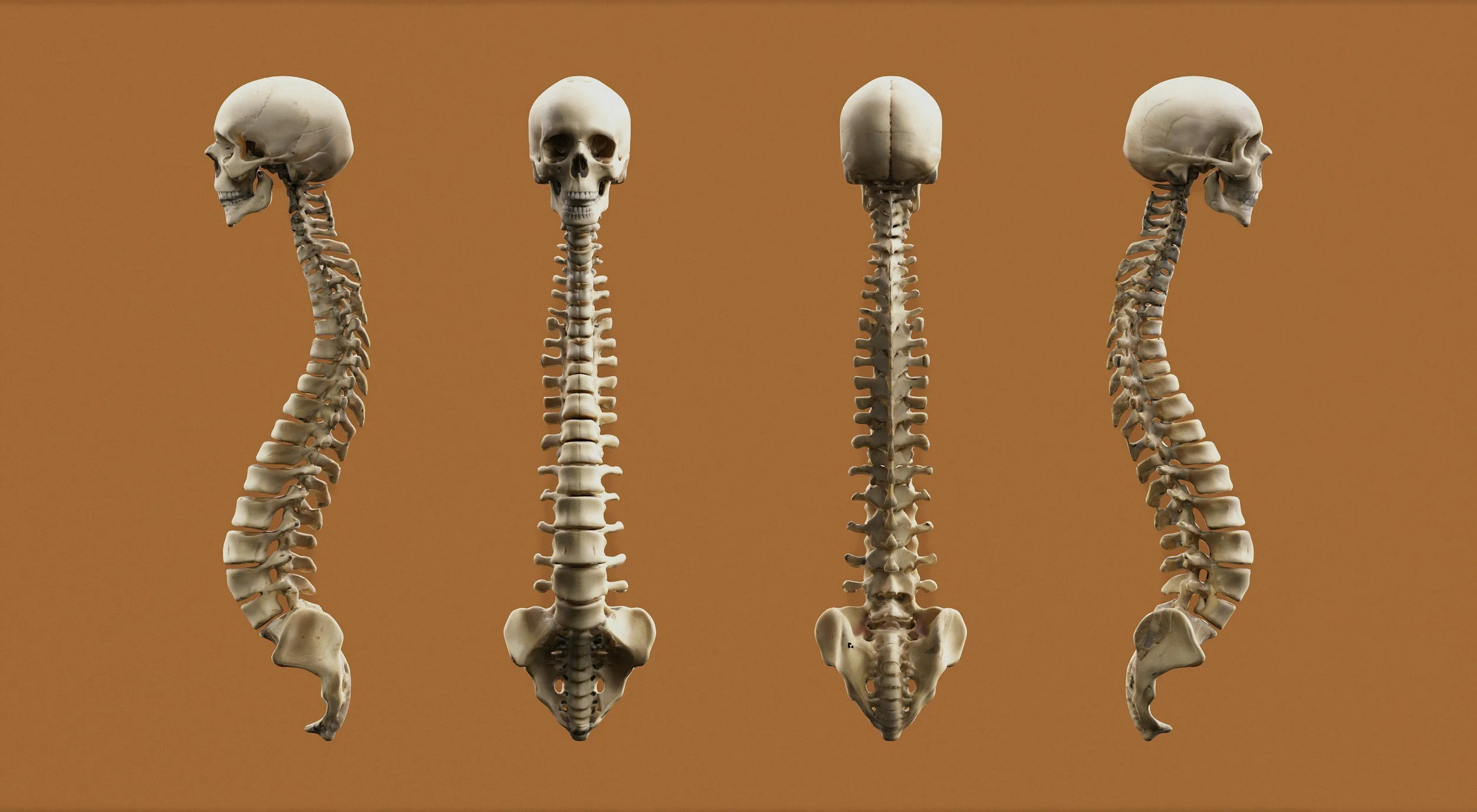
Myoskeletal Alignment looks at the relationship between the skeleton, the muscles that move it, and the fascia that wraps it. Jennifer combines this with myofascial techniques, neurodynamics, and craniosacral therapy when the assessment calls for them.
No single technique is right for every body. That is the point.
The body is not broken. It is adapting to something. Figuring out what it is adapting to is the work.
What to Expect in a Therapeutic Session With Jennifer Essary
Your first session begins with conversation, not hands on the table. Jennifer reviews your history, watches you move, looks at how you lie on the table, and asks about daily patterns before deciding where to start.
Expect a session that changes from visit to visit. If your shoulder improved but your hip is now complaining, the plan shifts.
What you will not get is a standard routine performed the same way every time regardless of what your body is doing that day.
Intake, Assessment, and Why Every Session Looks Different
Assessment is the part most people have never experienced in a massage. It can include watching you walk, checking shoulder height, testing range of motion, or noticing how you breathe.
That information shapes the session plan and what Jennifer suggests you notice afterward. Information is useful. Knowing what to do with it is different.
If you have tried physical therapy, chiropractic care, or other providers without lasting improvement, that history matters too. It narrows the field of what is worth investigating next.
The Other 23 Hours: What Happens Outside the Massage Room
An hour on the table cannot outwork 23 hours of a pattern that recreates the problem. This is not a reason to skip bodywork.
Sleep position, desk setup, how long you sit without moving, natural light exposure, and what you eat all influence how tissue feels and recovers.
Jennifer also offers health and lifestyle coaching as a Certified Primal Health Coach for clients who want to investigate factors outside the treatment room, sleep, movement variety, nutrition, or stress load. It is not a rigid protocol, but a structured way to ask better questions about your own body.
For those who want to go further, The Other 23 program and the Field Guide offer a framework for investigating what happens outside the session.
Maybe you do not need a harder massage. Maybe you need a more thoughtful one.
Schedule a massage appointment with Jennifer and find out what your body has been trying to tell you.
Frequently Asked Questions
What is the difference between relaxation massage and therapeutic massage?
Relaxation massage follows a general routine meant to calm the nervous system. Therapeutic massage starts with your specific complaint, movement patterns, and goals. A practitioner doing therapeutic work assesses how you move, where tension actually lives, and how different areas of the body relate before deciding what to do. That is why two people with the same neck pain may receive completely different sessions. The intent is not simply to feel good for an hour, but to change something that has been persistent.
Does therapeutic massage have to be painful to be effective?
No. There is a common assumption that real therapeutic work means aggressive deep tissue pressure, and that if you are not sore the next day, nothing happened. That is not how it works. Slow, intentional techniques that work with the body rather than forcing it can address chronic tension without leaving you bruised. Some people do prefer firmer pressure, and that can be appropriate, but pain is not the measure of effectiveness. Communication during the session matters more than how much you can endure.
Can massage help with chronic tension and movement discomfort?
Chronic tension often involves multiple areas working together, not just one tight spot. A therapeutic approach looks at how the body compensates over time and addresses the patterns rather than only the symptom. Massage can be one useful part of a broader investigation, alongside sleep, movement habits, stress, and other factors. It is not a cure-all, and results vary by individual. What matters is whether the work is specific to your situation rather than a standard routine applied to everyone.
How do I know a massage therapist has the experience to handle serious pain?
Ask about their training, how long they have been practicing, and what techniques they use beyond basic Swedish massage. Jennifer Essary has been licensed by the Ohio State Medical Board since 2002 and uses Myoskeletal Alignment, myofascial techniques, neurodynamics, and craniosacral therapy when appropriate. She also takes an investigative approach, meaning she considers how different areas of the body may be contributing to your pain rather than treating only the location of the symptom. Credentials and a clear assessment process are reasonable things to ask about.
