

The Most Inflammatory Ingredient Behind Your Aches, Pains, and Chronic Disease
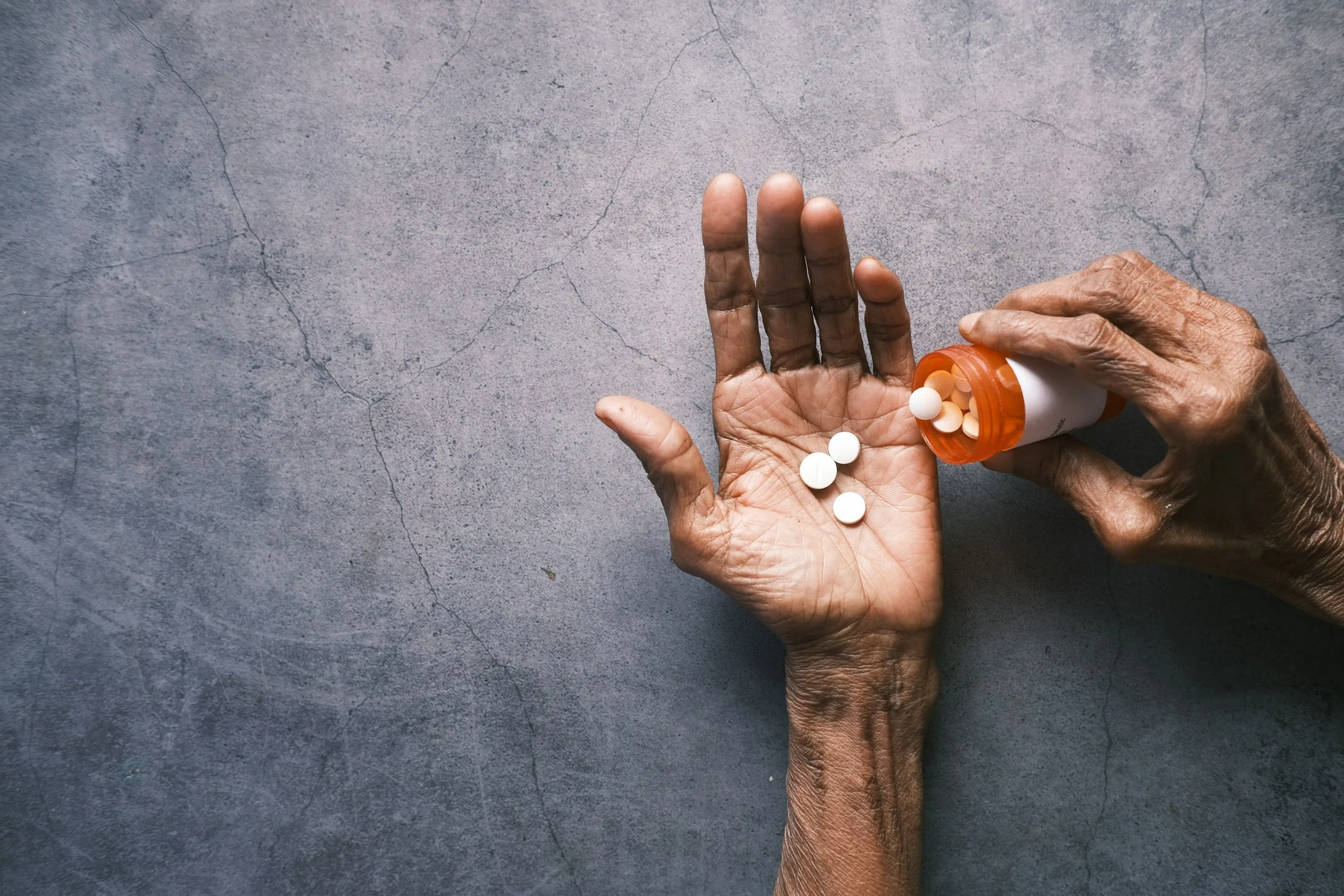
Very few of us have a pharmaceutical deficiency.
What’s The #1 Ingredient No One Should Eat?
People schedule massage appointments because they typically have an ache or a pain somewhere. Neck and back pain are popular thanks to the unnatural requirement to sit behind a desk. We weren’t meant to sit in one position for 8+ hours a day — but I’ll save this topic for another blog post. The other thing I see lurking is chronic inflammation.
You likely can’t do anything about the hours you’re required to work, but you can do something about the lifestyle habits that contribute to your body’s level of inflammation.
If you’re interested in exploring The Other 23 I can help you get started for free.
How Do You Know If Your Body Is Inflamed?
Inflammation isn’t just joint pain, it affects the whole body. Dr. Cate Shanahan says this food is the same as consuming radiation due to the widespread destruction it causes.
When you eat this PHOOD (my word for fake food - it gets a fake F) this is what happens inside your body:
It damages your DNA
It can make your arteries stiffer for the next 24 hours
It increases your risk of developing cancer
It increases your risk of atherosclerosis (hardening of the arteries), heart disease, and sudden cardiac death
It breaks your mitochondria setting you up for type 2 diabetes, insulin resistance, and fatty liver disease
It plays a role in ARDS (Acute Respiratory Distress Syndrome)
It plays a role in the development of asthma
It hinders brain function, development, and plays a role in Schizophrenia
It plays a role in the development of Crohn’s Disease
The promotion of gut inflammation and microbiome imbalances
It Increases your chance of developing heart failure
It’ll give you cholesterol numbers your doctor won’t like (low HDL and high LDL)
You’re more likely to develop macular degeneration
You’ll lose muscle mass (a predictor of longevity)
Possible pregnancy complications
If you don’t have enough stomach acid this could be the reason
It’s the reason you can’t ever seem to lose the last 10-15 pounds
It makes you more prone to sunburn and skin cancer
AND
It takes 5 years to get it out of your system because it becomes embedded in your cells.
What Does The Research Say?
Fatty acids and osteoarthritis: different types, different effects
The different fatty acid types have distinct effects on inflammation. This review focusses on the currently available studies, summarizing the effects of the different fatty acid types on osteoarthritis and involved joint tissues. In animal studies omega-3 polyunsaturated fatty acids reduced the expression of inflammatory markers, cartilage degradation and oxidative stress in chondrocytes. In contrast, these markers were increased upon omega-6 polyunsaturated fatty acid and saturated fatty acid stimulation. https://pubmed.ncbi.nlm.nih.gov/30081198/
Omega-6: Omega-3 PUFA Ratio, Pain, Functioning, and Distress in Adults With Knee Pain.
Results
The high ratio group reported greater pain and functional limitations, (all Ps<0.04), mechanical temporal summation (hand and knee, P<0.05), and perceived stress (P=0.008) but not depressive symptoms.
Discussion
In adults with knee pain, a high n-6:n-3 ratio is associated with greater clinical pain/functional limitations, experimental pain sensitivity, and psychosocial distress compared with a low ratio group. Findings support consideration of the n-6:n-3 PUFA ratio and additional clinical endpoints in future research efforts. https://europepmc.org/article/PMC/5701880
Commentary: Iconoclastic Reflections on the ‘Safety’ of Polyunsaturated Fatty Acid-Rich Culinary Frying Oils: Some Cautions regarding the Laboratory Analysis and Dietary Ingestion of Lipid Oxidation Product Toxins
The gastrointestinal tract is continually exposed to such toxic aldehydes, and subsequent to digestion they are absorbed into the lymphatic system or directly into the systemic circulation [23]. A further important consideration is that the wealth of previous investigations focused on the possible beneficial health effects of dietary PUFAs should be dissected and revisited, particularly those featuring feeding trials with humans or animals or, alternatively, associated epidemiological and cohort meta-analysis ones. On reflection, it certainly appears that many of these previously conducted studies may indeed have been flawed, since researchers involved have either ignored or neglected the confounding adverse health effects associated with LOPs (which undoubtedly were present in the oils or diets involved), together with the molecular nature and concentrations of such agents therein. Hence, data acquired here provide strong evidence that previous reports focused on the negligible or limited health risk status of such PUFA-rich CFOs when employed for frying purposes, and that foods fried therein are safe for human consumption, may be erroneous and inaccurate since they fail to consider the multitude of LOPs detectable therein, along with their very broad spectrum of adverse health effects, notably those contributing towards the development and progression of non-communicable chronic diseases such as cardiovascular and neurodegenerative diseases, and cancer. https://doi.org/10.3390/app11052351
Higher ratio of plasma omega-6/omega-3 fatty acids is associated with greater risk of all-cause, cancer, and cardiovascular mortality: A population-based cohort study in UK Biobank
Results:
Risk for all three mortality outcomes increased as the ratio of omega-6/omega-3 PUFAs increased (all Ptrend <0.05). Comparing the highest to the lowest quintiles, individuals had 26% (95% CI, 15–38%) higher total mortality, 14% (95% CI, 0–31%) higher cancer mortality, and 31% (95% CI, 10–55%) higher CVD mortality. Moreover, omega-3 and omega-6 PUFAs in plasma were all inversely associated with all-cause, cancer, and CVD mortality, with omega-3 showing stronger effects.
Conclusions:
Using a population-based cohort in UK Biobank, our study revealed a strong association between the ratio of circulating omega-6/omega-3 PUFAs and the risk of all-cause, cancer, and CVD mortality.
https://pmc.ncbi.nlm.nih.gov/articles/PMC10997328/

When someone comes to me complaining about X, Y, or Z my first question is:
”What Are You Eating?”
Food Choices & Chronic Inflammation
Most doctors still tell people food won’t affect their health issue and given the list above can you see why that’s BS? AND this is just one of the sketchy ingredients they’re feeding us. We haven’t even gotten to the ingredients banned in Europe that are in our food.
Why do I talk about food so often? Everyone I’ve helped has made significant improvements in whatever health struggle they were previously dealing with. It doesn’t matter what health struggle you think you’re permanently destined to manage; your body’s default program is to heal itself.
You break a bone or cut your skin, your body heals itself. The same is true on the inside. Your only job is to create the space for that to happen.
The way to do that? Stop putting things in and on your body that not only hinder that process they’re also causing the issues you currently have.
What is this one ingredient I beg everyone to stop eating in massive quantities?
Omega 6, linoleic rich, polyunsaturated fats.
While the body does need Omega 6 fats the ideal Omega 6 to Omega 3 ratio is 1:1 or 2:1. If you’re eating the modern diet and not paying attention your ratio could be as high as 30:1. If you’re eating a lot of ultraprocessed food and food from most restaurants that number is sometimes estimated to be as high as 45:1.
How often to you take an anti-inflammatory? What if you could quit taking it because you stopped eating pro-inflammatory seed oils?
When I began my paleo journey in 2014 I stopped taking anti-inflammatories because they aren’t good for your digestive tract. Trying to improve autoimmune symptoms via gut health I haven’t taken Ibuprofen or Tylenol since. (Other than when I had COVID. I reluctantly took aspirin to minimize any potential blood clotting.)
It’s not that I haven’t been hurt since 2014. Heck, I’ve broken my tailbone and I’ve banged up my toes more than a few times in Taekwondo class. Yes they hurt, but not enough to feel like I needed a pain reliever.
Your -”Itis” Is An Inflammatory Condition
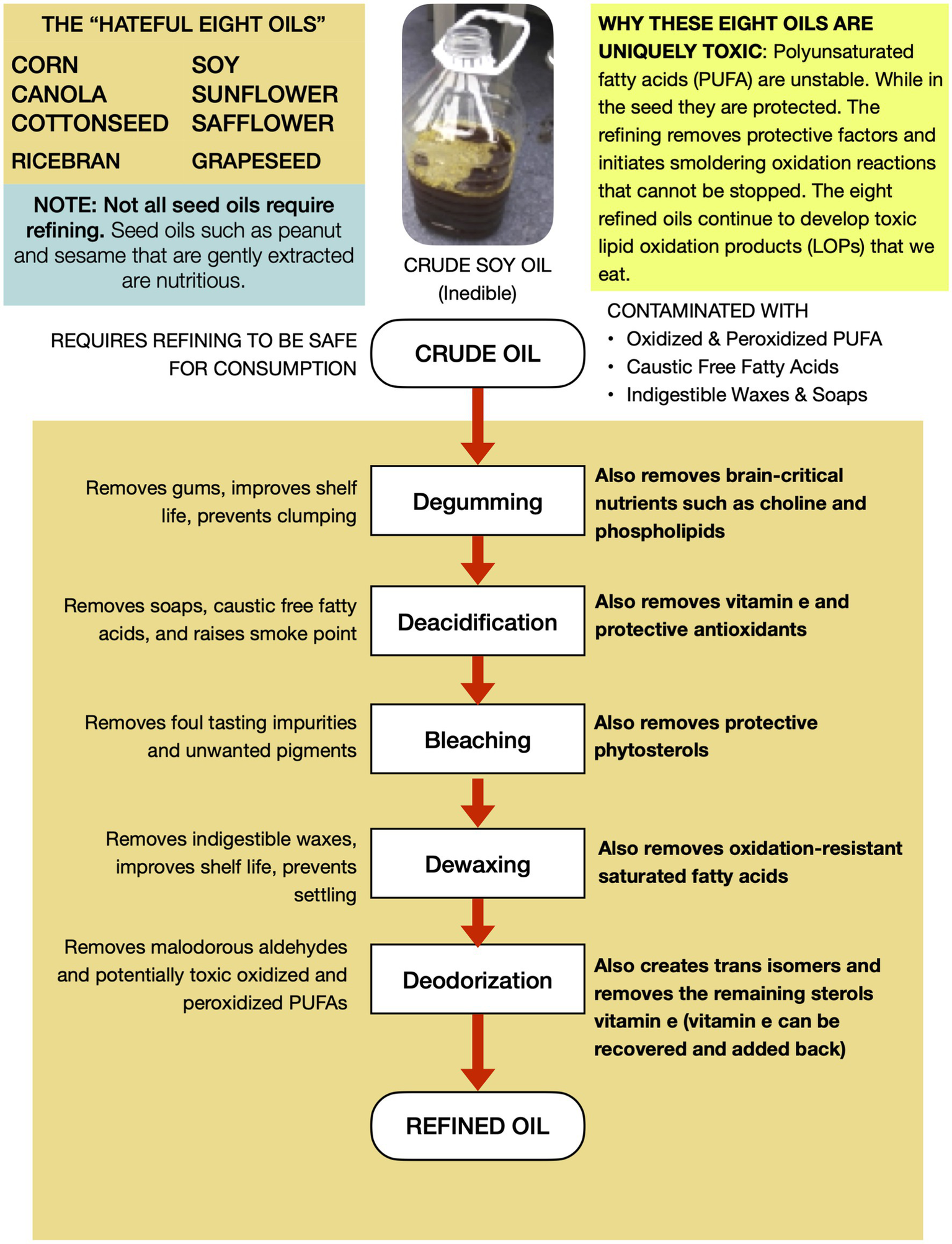
Today’s spectrum of chronic diseases are rooted in inflammation. Why are these oils so bad? It comes down to their structure.
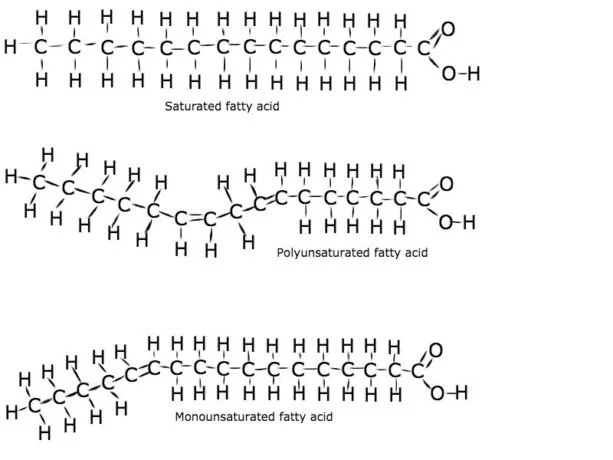
Saturated fats are called saturated because they’re saturated with hydrogen (H) atoms.
Molecules are lazy in that they don’t want to expend any more energy than necessary. When a fat molecule is saturated with hydrogen it maintains a linear shape because the presence of the hydrogen molecules keep everything energetically balanced in that state.
When we begin removing hydrogen atoms (monounsaturated or polyunsaturated fats) you’ll notice how a double bond = appears in the molecule. Since the hydrogen atoms aren’t evenly dispersed on both sides of the carbon chain it allows the chain to bend.
Why does this matter? It makes the bent molecule prone to oxidation. You take in oxygen with every breath and the “hole” that occurs due to the bending allows the two to react.
You’ve heard of anti-oxidants? Oxidation has the opposite effect. Rather than promoting health it destroys it. Hence the term inflamm-aging.
Unfortunately these oils aren’t limited to the cooking oils you see above. You’ll also find them in restaurant foods and the majority of packaged foods. This is how something can be labeled paleo, keto, gluten free, natural, organic, etc and still be unhealthy. Somehow sunflower and safflower oil get a pass and are used in “healthy” products even though they’re polyunsaturated fats (aka vegetable oils).
Why Are Seed Oils Recommended?
In the early 1900’s heart disease was rare. It was so rare than the American Heart Association was looking at closing it doors. Then Proctor & Gamble discovered they could turn cottonseed oil into Crisco. (Our food industry has a way of turning things bound for the trash into food like products.) P&G approached the American Heart Association with a wad of money. In exchange, the American Heart Association began promoting Crisco as “Heart Healthy”.
Since then seed oils have infiltrated our supermarkets and the majority of the products inside. Most things labeled “heart healthy” are actually causing heart disease. They’re touted as being healthy because they lower LDL cholesterol but
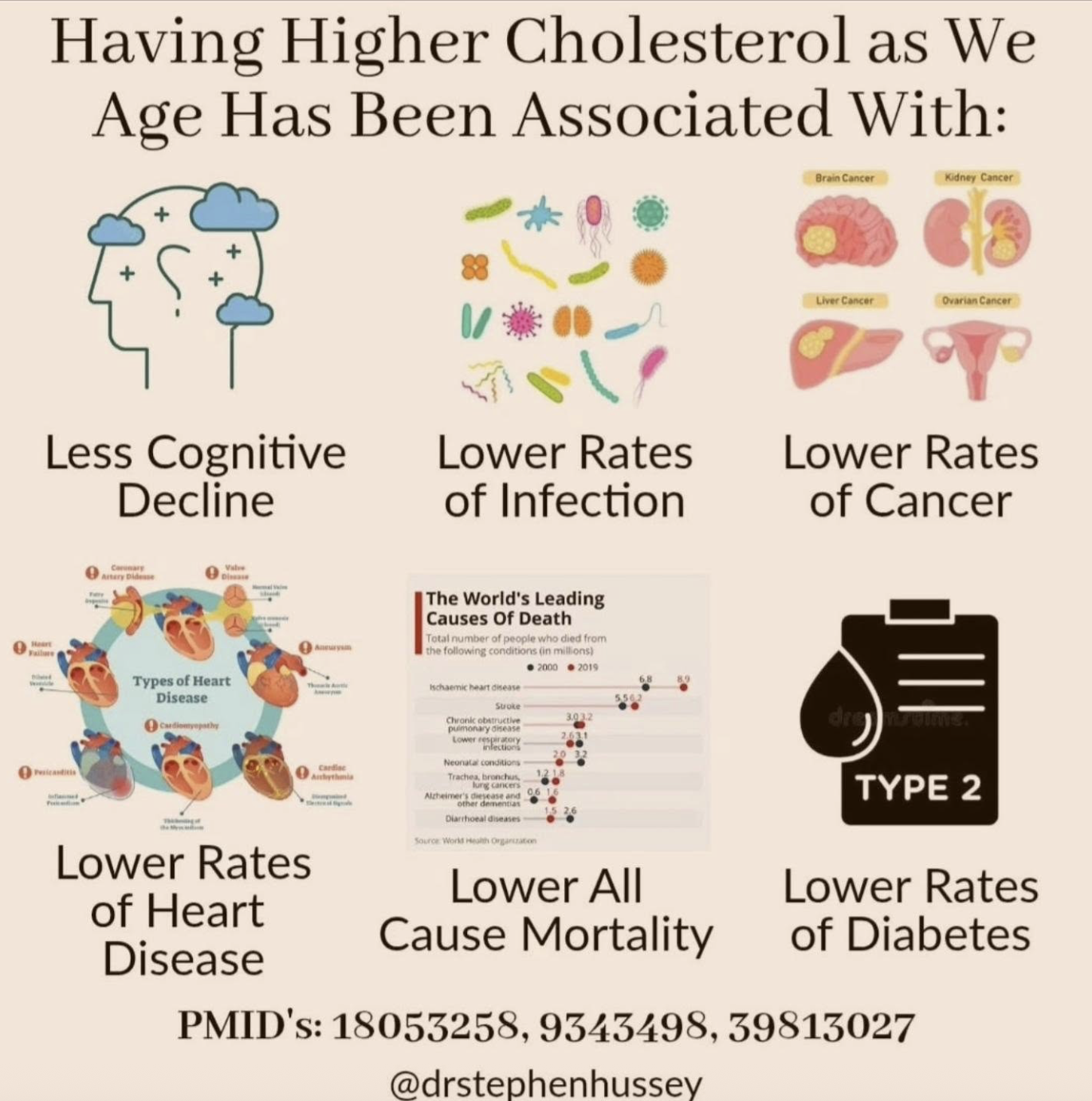
cholesterol isn’t the actual problem —
inflammation is the problem.
Inflammation roughs up the lining of your arteries and in an attempt to repair the damage your body sends macrophages and cholesterol for repairs. It’s like blaming the firefighters for the fire simply because they’re at the scene.
Ancel Keys helped drive the narrative into our dietary guidelines in the 1950’s. He based the heart disease and cholesterol hypothesis on his 7 country study. Looking only at saturated fat intake (ignoring everything else) he made the claim that it caused heart disease. Keys actually went to 21 countries. He threw out 2/3 of his data to make his claim which was entirely funded by the sugar industry.
When we demonized saturated fat we made way for seed oils and sugar to be added to our diet. Since then we’ve seen disease rates skyrocket. As of this writing 1 out of every 3 of our tax dollars are spent on managing chronic disease and less than 7% of Americans are metabolically healthy.
“But Jen, I Cook With Avocado and Olive Oil”
First, please don’t cook with olive oil. I know many chefs use this during their cooking shows but this isn’t a healthy choice. Olive oil is sensitive to heat. It easily begins to break down, oxidizes, which essentially turns it into the inflammatory cooking oil you think you’re avoiding.
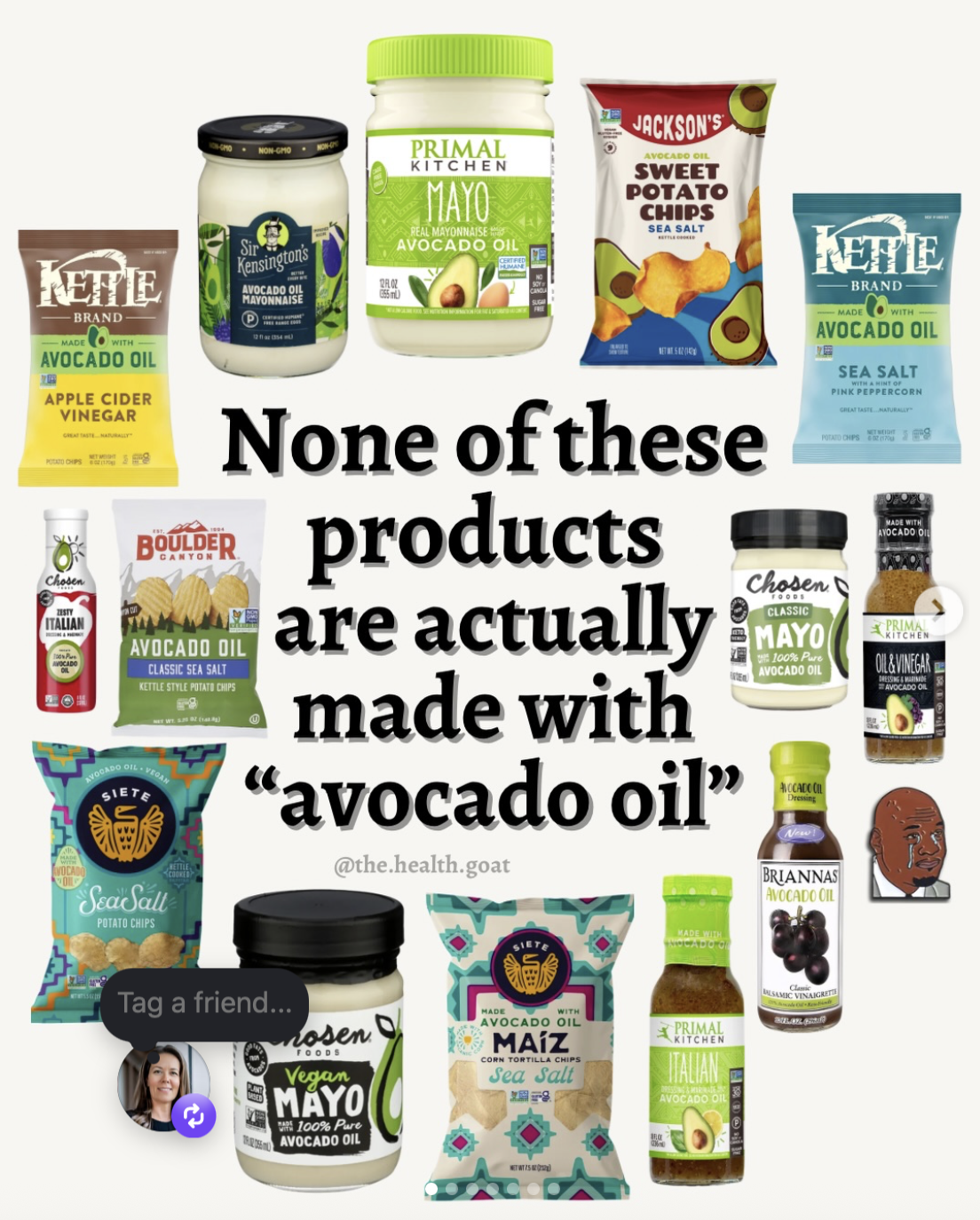
Unfortunately you can’t trust most brands of Avocado or Olive oil.
Many are diluted with seed oils to increase the company’s profits.
Want to get more things I share like this post? Follow me on Instagram @jenniferessarymassage
Lastly, it’s not just your cooking oil. Seed oils are in coffee creamers, salad dressing, condiments, chips & snacks, baked goods, dairy free milks, roasted nuts and seeds, and even baby formula. Like I said, this stuff is everywhere.
Are Monounsaturated Fats Healthy?
Avocado & Olive Oil are monounsaturated fats.
These fats are often touted as healthy; they’re encouraged on a Mediterranean diet (also not healthy), but some doctors I follow are beginning to speak against them. I suspect due to the double bond in their structure. Any fat with a double bond, a bend in its structure, is prone to oxidation.
Reasons To Eat More Saturated Fat
Tallow is beef fat. Why is it special? It’s rich in stearic acid. What’s the big deal? Stearic acid reverses the mitochondrial damage created by linoleic acid (polyunsaturated fats). Remember how I mentioned it takes roughly 5 years to remove polyunsaturated fats from your cells? Beef fat helps your body remove these harmful fats.
Animal fats also contain fat soluble vitamins. Vitamin A, E, D, and K2 are only found in animal fat. Grass Fed Butter, rich in vitamin K2, is essential for strong bones and heart health. Vitamin K2 keeps the calcium in your bones and out of your arteries. This is one of the reasons heart disease rates continued to climb when we swapped “heart healthy” margarine for butter.
I know it takes a bit of mental unwinding to realize saturated fat is not the problem. Hallmark Movies, the movie Christmas Vacation, and anyone practicing the “standard of care” will tell you saturated fat and cholesterol are the problem.
Here’s some research on cholesterol I dug up:
Cholesterol and mortality. 30 years of follow-up from the Framingham study
From 1951 to 1955 serum cholesterol levels were measured in 1959 men and 2415 women aged between 31 and 65 years who were free of cardiovascular disease (CVD) and cancer. Under age 50 years, cholesterol levels are directly related with 30-year overall and CVD mortality; overall death increases 5% and CVD death 9% for each 10 mg/dL. After age 50 years there is no increased overall mortality with either high or low serum cholesterol levels. There is a direct association between falling cholesterol levels over the first 14 years and mortality over the following 18 years (11% overall and 14% CVD death rate increase per 1 mg/dL per year drop in cholesterol levels) https://pubmed.ncbi.nlm.nih.gov/3560398/
LDL-C does not cause cardiovascular disease: a comprehensive review of the current literature
For half a century, a high level of total cholesterol (TC) or low-density lipoprotein cholesterol (LDL-C) has been considered to be the major cause of atherosclerosis and cardiovascular disease (CVD), and statin treatment has been widely promoted for cardiovascular prevention. However, there is an increasing understanding that the mechanisms are more complicated and that statin treatment, in particular when used as primary prevention, is of doubtful benefit. https://doi.org/10.1080/17512433.2018.1519391
Lack of an association or an inverse association between low-density-lipoprotein cholesterol and mortality in the elderly: a systematic review
High LDL-C is inversely associated with mortality in most people over 60 years. This finding is inconsistent with the cholesterol hypothesis (ie, that cholesterol, particularly LDL-C, is inherently atherogenic). Since elderly people with high LDL-C live as long or longer than those with low LDL-C, our analysis provides reason to question the validity of the cholesterol hypothesis. Moreover, our study provides the rationale for a re-evaluation of guidelines recommending pharmacological reduction of LDL-C in the elderly as a component of cardiovascular disease prevention strategies. https://bmjopen.bmj.com/content/6/6/e010401
Meanwhile, saturated fat raises your good HDL cholesterol and HDL clears problematic VLDL from the blood. Cholesterol has never been the problem. Inflammation is the problem. If inflammation isn’t present then cholesterol doesn’t get stuck on the arterial wall. The linoleic acid in seed oils oxidizes causing damage to the arterial wall aka endothelial dysfunction.
Oxidative stress, antioxidants, and endothelial function
Endothelial dysfunction, characterized by a loss in nitric oxide bioactivity, is an early event in the development of atherosclerosis and determines future vascular complications. Emerging evidence suggests a causal role for oxidative stress in this process. Reactive oxygen species can directly inactivate nitric oxide, modulate protein function and act as cellular signaling molecules. These events contribute to the initiation and progression of endothelial dysfunction. Considerable data also indicates that antioxidant compounds limit oxidative damage and restore endothelial function. The purpose of this review is to discuss these data and suggest novel approaches for lowering the oxidative stress in the vasculature. https://pubmed.ncbi.nlm.nih.gov/15134508/
A high linoleic acid diet increases oxidative stress in vivo and affects nitric oxide metabolism in humans
In conclusion, the high-LA diet increased oxidative stress and affected endothelial function in a way which may in the long-term predispose to endothelial dysfunction. https://pubmed.ncbi.nlm.nih.gov/9844997/
Can linoleic acid contribute to coronary artery disease?
The adipose tissue concentration of linoleic acid was positively associated with the degree of coronary artery disease (CAD) in a cross-sectional study of 226 patients undergoing coronary angiography. Linoleic acid concentration in adipose tissue is known to reflect the intake of this fatty acid. These results are therefore indicative of a positive relationship between linoleic acid intake and CAD. https://pubmed.ncbi.nlm.nih.gov/8192728/
Dietary Fats and Oils to Avoid:
Polyunsaturated Vegetables Oils:
Corn
Soy
Canola
Sunflower
Safflower
Cottonseed
Rapeseed
They can be found in:
Most Deep Fryers
Restaurant cooking oils
Margarine & Cooking sprays
Condiments: Mayonaise, pasta sauce, salad dressing,
Frozen meals & frozen flavored vegetables
Chips, cookies, crackers, bread, - most packaged foods
Roasted nuts & some dried fruit
Coffee creamers
Nut butters
This is why I suspect every dietary approach tells people to avoid processed food and fast food.
How do you avoid them? It’s possible. I do it. You simply have to know where to look and what the alternatives are.
Start by reading ingredients in your kitchen. See how often you spy one of the polyunsaturated fats listed above. If you’re not already paying attention you’re likely eating this stuff in every bite you take.
Your Body, Decoded
Your Body Isn't Broken. It May Just Need Something Different.
What if the stiffness, fatigue, cravings, aches, and changes you've been blaming on getting older are actually clues that your body needs a change?
You're 40+. Maybe 50+. Maybe 60+.
And somewhere along the way, you've started hearing the same explanation:
“That's just what happens as you age.”
Your joints hurt.
You're tired when you shouldn't be.
Your sleep isn't what it used to be.
Your weight doesn't respond the way it once did.
You have aches and pains that seem to have taken up permanent residence.
You've tried diets.
You've tried eating “healthy.”
You've probably tried exercising more.
And yet...
You don't feel healthy.
I'm here to tell you that getting older doesn't automatically mean you have to accept feeling older.
You Don't Need Another Diet.
You need someone who can help you make sense of the noise.
There is no shortage of nutrition advice.
Eat this.
Don't eat that.
Count this.
Track that.
Exercise more.
Eat less.
Ignore your cravings.
Try the newest superfood.
And if that doesn't work?
Apparently you just need more willpower.
I don't buy it.
My approach is different.
I don't hand you a meal plan and tell you what you're “allowed” to eat. I don't tell you to count calories or punish yourself with exercise.
Instead, I educate you.
I help you understand why your body may be responding the way it is, what influences your metabolism and hormones, and how nutrition, movement, sleep, stress, sunlight, recovery, and your daily environment work together.
My coaching is rooted in species-appropriate nutrition and lifestyle—not the latest diet trend and not a one-size-fits-all prescription.
Think of me as your translator.
The internet is full of information.
Some of it is excellent.
Some of it is outdated.
Some of it is sponsored by someone trying to sell you something.
And some of it is just... confidently wrong.
You shouldn't have to become a nutrition researcher just to figure out what to eat for breakfast.
That's where I come in.
I'll help you separate useful information from noise, understand the science behind the recommendations, and figure out which changes make sense for your goals and your life.
You remain in charge.
I provide the education, experience, perspective, and guidance.
I Don't Tell You What to Do.
I help you understand what your choices can do.
That's an important distinction.
You decide what you're willing to change.
You decide what matters to you.
You decide which habits you're ready to tackle.
My job is to help you understand the likely consequences of those choices, give you the information you need to make informed decisions, and help you troubleshoot when something isn't working.
No shame.
No food police.
No “you fell off the wagon.”
And definitely no starting over every Monday.
We're building something you can actually live with.
What We Look At
Your health doesn't happen in a vacuum.
Food matters—but it's not the only thing that matters.
Depending on your goals, we'll explore the lifestyle factors that can influence how you feel, including:
Nutrition and metabolic health
Blood sugar and cravings
Sleep and recovery
Stress and nervous-system load
Movement and strength
Daily activity—not just your workout
Sunlight and time outdoors
Circadian rhythms
Hydration and minerals
Your relationship with food
Habits that support long-term consistency
Because what you do for one hour at the gym doesn't erase what your body experiences during the other 23 hours of the day.
Your health is happening all day.
Let's work with all of it.
I've Seen What Can Happen When Someone Stops Accepting “This Is Just Aging.”
I've worked with people struggling with joint pain, autoimmune issues, weight, energy, mood, cravings, and the frustrating feeling that their body simply isn't cooperating anymore.
I've watched people in their 70s make significant changes in their pain and wellbeing through changes in food and lifestyle.
I've also worked with someone who had been through two failed back surgeries and was facing another surgery—but first needed to lose 50 pounds.
She was a single mother with two children, dealing with severe physical limitations and restrictions on what she could lift.
We changed the way she was eating.
She lost 50 pounds in five months—four months sooner than her doctor anticipated.
Later that year, she was able to have the surgery she needed.
Today, she's out racing bicycles.
That's not a promise of what will happen for you.
It's an example of what's possible when someone stops assuming that their current condition is the only condition available to them.
Your First Step Is Free.
Before you purchase a coaching package, we'll spend 30 minutes together at no cost to you.
This isn't a sales pitch disguised as a consultation.
It's an opportunity for us to talk.
I'll learn where you are now, what you've tried, what seemed to work, where things fell apart, what you're struggling with, and—most importantly—what you actually want to change.
We'll talk about whether coaching makes sense for you and what kind of support you may need.
If I believe I can help, I'll explain how.
If I don't think I'm the right person for you, I'll tell you that, too.
How Long Will You Need Me?
Some people need a little guidance.
Others have spent years trying to figure this out and need more time, education, troubleshooting, and support.
That's why I offer 4-, 8-, and 12-week coaching packages.
The principles don't change.
The amount of time you have to practice, learn, adapt, and build confidence does.
After our initial conversation, I'll help you determine which level of support makes the most sense for where you are right now.
This Isn't About Becoming Perfect.
It's about becoming less confused.
More capable.
More informed.
More connected to your own body.
And eventually, more independent.
My goal isn't to keep you dependent on me forever.
It's to teach you enough that you can make decisions with confidence long after our coaching relationship ends.
Because you shouldn't need a coach to tell you what to eat for the rest of your life.
You should understand your body well enough to make those decisions yourself.
If you're tired of being told that feeling lousy is simply part of getting older...
Let's talk.
Your first 30-minute consultation is free.
You may not need another diet.
You may not need another workout.
You may simply need someone who knows how to look at the whole picture.
What You’ll Get From Me:
20+ years of bodywork experience
Certified Primal Health Coach
Functional Lab Testing Specialist
More than a decade of studying nutrition and lifestyle
A very specific philosophy
Actual client outcomes
Experience working with women 40+
A framework that considers food + movement + sleep + stress + sunlight + recovery + lifestyle
The ability to explain why rather than simply handing people rules
Real-world experience seeing what happens when people implement these changes
And most importantly:
I've lived the experiment myself. My perspective isn't theoretical.
Payment plans available
Choose the option that works best for you.
Pay in full or divide your investment into convenient monthly installments.
Please note:Payment plans are installments toward the full coaching package and are not month-to-month memberships. By choosing a payment plan, you are committing to the full coaching package selected.
Health coaching provides education, mentoring, and lifestyle guidance. It does not diagnose or treat medical conditions or replace care from your physician or other qualified healthcare provider.
