

Sunlight Exposure and Musculoskeletal Recovery

Table of Contents
Why Sunlight Exposure and Musculoskeletal Recovery Are Connected
How Vitamin D and Musculoskeletal Health Work Together
Cholesterol, Nutrients, and the Raw Materials Your Body Needs
Morning Sunlight and Chronic Pain: The Circadian Connection
Sleep Quality, Recovery, and Pain Sensitivity
Sun Exposure and Joint Health: What the Evidence Suggests
Red Light Therapy for Muscle Recovery and the Sun's Beneficial Rays
A Staged Sunlight Plan for Different Recovery Phases
Safety, Photosensitivity, and Alternatives When Sunlight Is Limited
Conclusion: Better Questions About Sunlight and Recovery
Frequently Asked Questions
Why Sunlight Exposure and Musculoskeletal Recovery Are Connected
Your body did not evolve indoors. For most of human history, sunlight was the backdrop of every waking hour, not a wellness trend. Sunlight exposure and musculoskeletal recovery are connected in ways that go far beyond vitamin D. (Source: the National Institutes of Health's Office of Dietary Supplements)
Hospitals once understood this. In the early twentieth century, tuberculosis patients were wheeled onto rooftops and sun porches for what doctors called heliotherapy. Somewhere along the way, we traded that instinct for windowless gyms, fluorescent offices, and a sunscreen aisle that reads like a chemistry set.
Here is the part worth sitting with. Humans evolved under the sun, and populations with greater sun exposure tend to show lower rates of many cancers, including some skin cancers. That does not mean sunburn is harmless.
How Vitamin D and Musculoskeletal Health Work Together
Vitamin D and musculoskeletal health depend on each other in a loop most people never think about. Vitamin D helps your body absorb calcium and supports muscle function, bone density, and nerve signaling. Without enough, muscles ache, bones thin, and recovery slows.
But vitamin D is closer to a hormone than a simple nutrient, and your body builds it in stages. That process starts in your skin, and it depends on raw materials you may not be getting.
Cholesterol, Nutrients, and the Raw Materials Your Body Needs
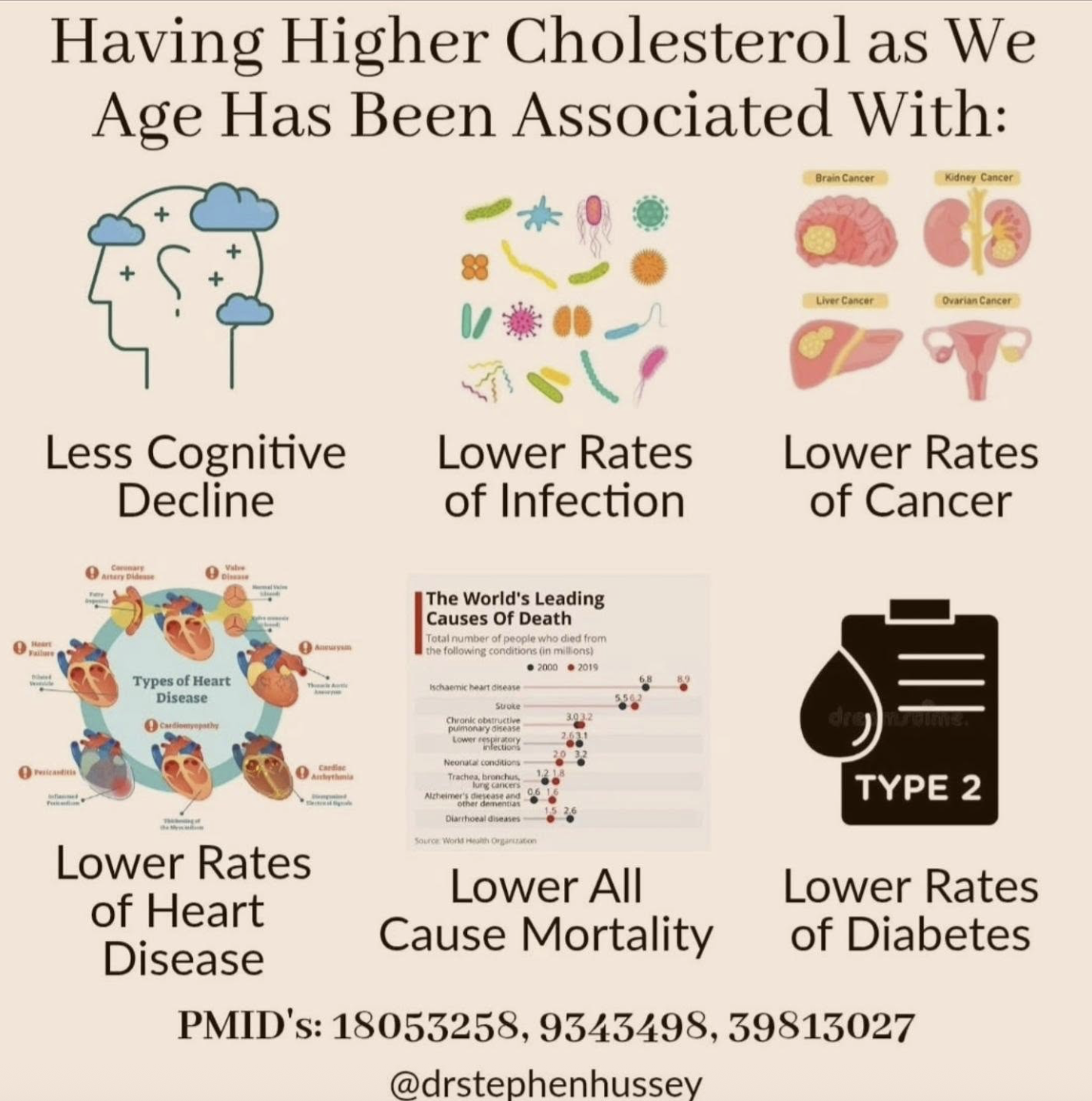
Cholesterol is not the villain here.
Your skin uses cholesterol to begin making vitamin D when ultraviolet radiation hits it, and statins, low-fat diets, and years of avoiding animal fat can leave you short on that raw material. Cholesterol also supports cell membranes and hormone production, which matters even more for women over 35.
Your body also needs magnesium, vitamin K2, and zinc to move calcium where it belongs and keep it out of soft tissue. Animal foods supply these in forms your body uses well. This is one reason ancestral diets, from Paleo to carnivore, often improve how women feel.
Morning Sunlight and Chronic Pain: The Circadian Connection
Morning sunlight and chronic pain share a link through your circadian rhythm, the internal clock that runs nearly every system in your body. Early daylight tells your brain it is time to be awake, sets hormone timing, and shapes how you sleep that night.
Skip that signal and things drift. Cortisol timing shifts, melatonin arrives late, sleep quality drops, and pain sensitivity rises. If your back hurts more after a rough night, you have felt this connection firsthand.
Morning light also supports healthy adrenals. Women in perimenopause and menopause often run on stress hormones all day, and that pattern can worsen everything from headaches to hip tension. Ten to twenty minutes of early outdoor light, without sunglasses, is one of the simplest things you can try.
Sleep Quality, Recovery, and Pain Sensitivity
Sleep is when your body repairs tissue, clears metabolic waste, and resets inflammation. Poor sleep slows all of it. Many people chase recovery through supplements and gadgets while ignoring the light signals that govern sleep in the first place.
Grounding, or direct skin contact with the earth, is another piece of this puzzle. It is an emerging area of research rather than a settled one, but the early findings on inflammation and sleep are worth watching.
Pro TipGet outside within an hour of waking, even on a cloudy day. Cloud cover reduces intensity but does not eliminate the circadian signal. Pair it with ten minutes of barefoot time on grass or concrete if the weather allows.
Sun Exposure and Joint Health: What the Evidence Suggests
Sun exposure and joint health connect through inflammation, vitamin D status, and light's effect on the immune system. People with low vitamin D often report more joint pain, though researchers still debate how much is cause and how much is coincidence.
What we can say is that sunlight triggers nitric oxide release in the skin, which can influence blood flow and blood pressure, and supports the immune regulation that keeps joints from staying angry. For anyone dealing with chronic pain, low back pain, or morning stiffness, sunlight is one variable worth testing.
Inflammation sits at the center of this. Seed oils, high in linoleic acid, oxidize easily and promote the kind of inflammation that makes joints and fascia feel worse. Chemically based sunscreens add another layer of concern, since some conventional ingredients are under scrutiny for hormone disruption and skin irritation.
Red Light Therapy for Muscle Recovery and the Sun's Beneficial Rays
Red light therapy for muscle recovery borrows a page from the sun itself. The sun emits more than ultraviolet light. It also delivers red and near-infrared wavelengths, which penetrate skin and reach muscle and fascia. Research suggests these wavelengths may support cellular energy production and reduce muscle fatigue after activity.
This is where the sun becomes more than a vitamin D factory. Near-infrared radiation reaches mitochondria, the power plants inside your cells, and may help them work better.
Light therapy devices exist for days when the sun is not available. They can help, but nothing quite replicates the full spectrum of natural sunlight, delivered at the right time of day, for free.
Sunlight delivers ultraviolet, red, and near-infrared light at once. Red light panels isolate one part of that spectrum, which is useful but incomplete. Think of them as a backup, not a replacement. ::: (Source: research on circadian rhythms and pain sensitivity)
A Staged Sunlight Plan for Different Recovery Phases
Most articles hand you a number, ten minutes, twenty minutes, done.
Here is how I think about it in practice, with the caveat that this is a framework for investigation, not a prescription. Watch your skin, not the clock. Note how you sleep and how your joints feel the next morning.
Lifestyle matters just as much as the massage. Let’s get curious together! Learn about The Other 23
Phase 1: Early recovery or high pain.
Start with 5 to 10 minutes of morning light on exposed arms and face, ideally within an hour of waking
Stay well below the level of sunburn at all times, redness is a signal you overshot, not a goal
Use shade, timing, and clothing as your first line of protection rather than chemical sunscreen
Prioritize consistency over duration; a short daily signal beats a long occasional one
Pair it with barefoot time on grass, concrete, or sand if the weather allows, since grounding is an emerging area of research worth watching
Phase 2: Building tolerance.
Extend to 15 to 30 minutes depending on your skin tone, latitude, and season
Add small doses of midday exposure when the UV index is moderate, not extreme
Pay attention to how your fascia feels the next day, stiffness that eases after light exposure is information
Note sleep latency, morning stiffness, and headache patterns in a simple notebook
If you take medications that cause photosensitivity, this is the phase where reactions tend to show up first
Phase 3: Maintenance and performance.
Aim for daily light exposure, adjusting for season and latitude rather than abandoning it in winter
Use clothing and shade as your primary protection and reserve sunscreen for extended exposure
Consider a red light device on low-sun days, understanding it isolates part of the spectrum rather than replacing the whole
Track mobility, grip strength, and how quickly you recover from activity, these are the outcomes that tell you whether the plan is working
What makes this different from a generic sun chart is the feedback loop. Your sleep, your stiffness, your mood, and your energy are all data. Information is useful, but knowing what to do with it is different.
The place that hurts is not always the place that needs attention. Sometimes the tissue that will not calm down is responding to a circadian signal that never arrived, a vitamin D status that never recovered, or an inflammatory load that never eased.
Safety, Photosensitivity, and Alternatives When Sunlight Is Limited
Safety is not the enemy of sun exposure; it is part of doing it well.
Before you increase sun exposure, review your medication list with your prescriber or pharmacist.
Certain antibiotics, including tetracyclines and fluoroquinolones
Some diuretics, particularly thiazides
Acne treatments, including isotretinoin and some topical retinoids
Certain antidepressants and antipsychotics
Some diabetes medications
Herbal supplements, including St. John's wort
This is not a complete list, and it is not a reason to stop a medication.
When sunlight is limited, by latitude, season, work schedule, or a genuine medical need to avoid it, you still have options, but they are not interchangeable.
Latitude and season matter more than most people realize. Northern winters cut UV dramatically, and vitamin D deficiency becomes common.
Skin tone matters too. Age matters as well, since the skin's ability to synthesize vitamin D declines over time (Aging decreases the capacity of human skin to produce vitamin D3).
Here is the part that rarely gets said clearly. Seed oils and chemically based sunscreens may pose more of a skin cancer risk than avoiding the sun altogether.
If you want to investigate how light, sleep, nutrition, and hands-on care might fit together for your individual situation, that is exactly the kind of conversation health coaching with Jennifer is designed for.
Conclusion: Better Questions About Sunlight and Recovery
We’re often told our stiffness, aches, and slow recovery are just part of aging, I would strongly push back on that. Your body is giving you information. The question is whether anyone has taken the time to read it.
If you want to explore how sunlight, sleep, nutrition, and hands-on care might fit together for you, I would love to help you ask better questions.
When stiffness and slow recovery keep showing up no matter what you try, the answer may be simpler and stranger than you expect. Massage sessions are HSA accepted, and every plan starts with your story.
Schedule a massage appointment and start connecting the dots between light, sleep, food, and how your body actually feels.
Frequently Asked Questions
Is sun exposure good for muscle recovery?
Sunlight triggers vitamin D production in your skin, and vitamin D plays a direct role in muscle function and strength. Research on vitamin D and musculoskeletal health suggests that deficiency is common in people with chronic muscle aches and that correcting it may improve muscle performance. Sunlight also supports circadian rhythm, which governs sleep and tissue repair. Morning sunlight exposure appears particularly useful for setting that rhythm. The effect on any individual depends on latitude, season, skin tone, and how much skin is exposed.
Can sunlight help with joint pain or stiffness?
Some research links greater sun exposure and higher vitamin D levels with less joint pain and stiffness, though the evidence is mixed and not all studies agree. The relationship between sun exposure and joint health likely involves multiple factors: vitamin D status, inflammation, circadian rhythm, and near-infrared light penetrating tissue. For someone with arthritis or chronic joint discomfort, sensible sun exposure is one variable worth investigating alongside nutrition, movement, and hands-on therapies. Discuss any photosensitizing medications with your doctor before increasing sun time.
What is the difference between sunlight and red light therapy?
Sunlight contains a broad spectrum of wavelengths, including ultraviolet, visible, and near-infrared radiation. Red light therapy devices deliver concentrated red and near-infrared wavelengths without UV. Both approaches have been studied for their effects on tissue repair and inflammation. Red light therapy for muscle recovery has shown promise in some clinical trials for reducing soreness and speeding healing, though results vary by device, dose, and condition. Sunlight offers the full spectrum plus circadian benefits that a lamp cannot replicate. Each has a place depending on your circumstances and access.
Why do I feel better after getting some sun?
Several mechanisms may explain the mood and energy lift people report after sun exposure. Morning sunlight anchors your circadian rhythm, which affects sleep quality, hormone production, and pain sensitivity. UV exposure triggers vitamin D synthesis and the release of nitric oxide from skin stores, which can influence blood flow. Near-infrared light may support cellular energy production. There is also the simple fact of being outdoors, which often means movement, fresh air, and a break from artificial lighting. Your body is giving you information; the feeling better is worth paying attention to.
