

Animal Protein For Bone and Muscle Health
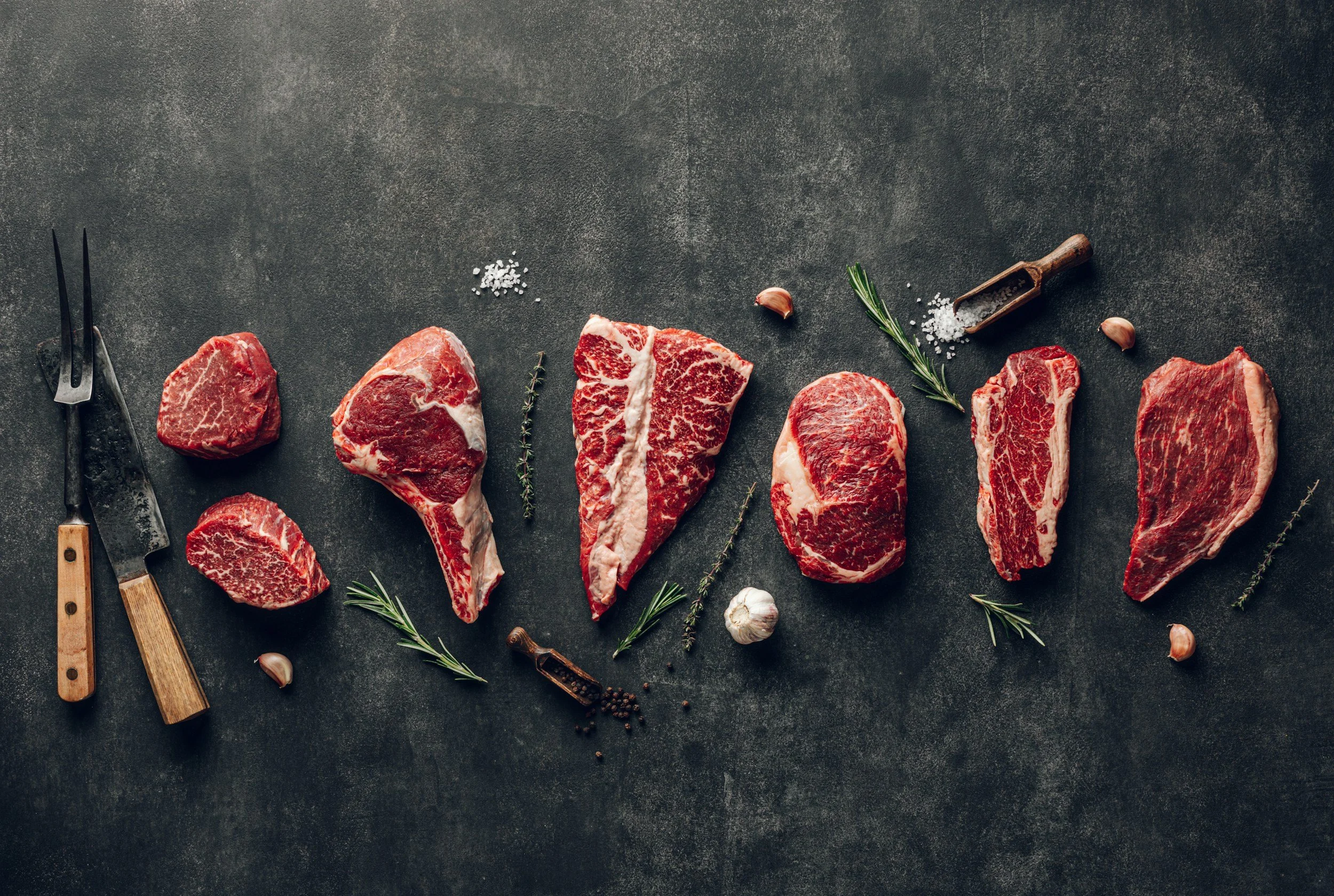
Table of Contents
Why Animal Protein Matters More Than You Think
The Nutrients in Animal Protein That Plant Sources Can't Match
Creatine and Muscle Strength
Carnosine and Carnitine for Cellular Energy
Heme Iron, B-12, and Taurine for Energy and Mood
Protein for Bone Health: The Amino Acid Foundation
Animal vs. Plant Protein for Muscle: What the Evidence Shows
Protein Needs for Older Adults: Why More Matters Now
Animal Protein Sources Worth Investigating
The Body's Signal: What Happens When You Eat Enough Animal Protein
Frequently Asked Questions
Why Animal Protein Matters More Than You Think
Your body isn't broken. But if you're over 35 and experiencing stiffness, aches, or that creeping sense that your body isn't responding the way it used to, your body is giving you information worth investigating. One piece of that puzzle is whether you're actually eating enough animal protein to support your structural integrity and strength. I work with clients who've tried various wellness approaches but still struggle with persistent tension, weak joints, and declining muscle mass. Often, the missing piece isn't a supplement or a new exercise routine, it's the foundation of what they're eating.
Animal protein for bone and muscle isn't about following a diet trend. It's about understanding what your body actually needs to maintain the structural integrity and strength that keep you mobile, pain-free, and capable as you age. Plant proteins can contribute to your diet, but they're fundamentally different from animal sources in ways that matter for your skeleton and muscles. The nutrients in animal protein that support bone and muscle health are specific, concentrated, and difficult to replicate from plants alone. If you've been told that any protein is the same, or that plant-based eating is universally superior, that's incomplete information. Your experience matters more than the narrative.
The Nutrients in Animal Protein That Plant Sources Can't Match
Most nutrition advice treats protein as interchangeable, but animal protein comes packaged with nutrients your bones and muscles depend on, nutrients that either don't exist in plants or exist in forms your body struggles to use efficiently.
Carnitine, creatine, taurine, and heme iron are found almost exclusively in animal foods and are central to how your cells produce energy, how your muscles contract, and how your bones maintain mineral density. When you eat animal protein, you're getting a nutrient package shaped by evolution to support human physiology.
Creatine and Muscle Strength
Animal protein, especially red meat, fish, and poultry, delivers creatine directly to support ATP regeneration, the energy your muscles depend on. Without adequate creatine, your muscles fatigue faster, recover slower, and struggle to maintain strength during resistance training.
Research shows creatine supports muscle protein synthesis and preserves lean body mass in older adults. A serving of beef or salmon provides creatine your body can use immediately. Women especially often underestimate how much muscle support they need to maintain longevity, chasing the scale while muscle mass declines leaves you frail, not fit.
Carnosine and Carnitine for Cellular Energy
Carnosine, found primarily in animal muscle tissue, buffers lactic acid during intense activity and protects cells from oxidative stress. Your body can synthesize it from other amino acids, but the amount is limited compared to what you get from eating animal muscle directly.
Carnitine shuttles fatty acids into your mitochondria for energy production. Animal protein delivers both carnitine and carnosine in usable form, while plant-based eaters produce carnitine inefficiently, resulting in lower levels.
Pro Tip: If you're experiencing afternoon energy crashes or struggling to recover from workouts, carnitine and carnosine deficiency might be part of the picture. These aren't flashy nutrients that get marketed, but they're fundamental to how your cells generate and use energy.
Heme Iron, B-12, and Taurine for Energy and Mood
Heme iron from animal foods is absorbed at 15-35% efficiency compared to 2-20% for plant iron. Iron is essential for oxygen transport, energy production, and mood regulation, low iron affects cognition and can contribute to anxiety.
Vitamin B-12 exists only in animal products and is essential for nerve function, DNA synthesis, and red blood cell formation. Deficiency develops slowly and symptoms, fatigue, cognitive fog, numbness, mood changes, are often dismissed as aging. Women over 35 should pay attention because B-12 absorption decreases with age and certain medications interfere with uptake.
Taurine, found almost exclusively in animal products, supports heart function, nervous system health, and mood regulation. Low taurine has been linked to anxiety and depression and is involved in muscle contraction and recovery.
Protein for Bone Health: The Amino Acid Foundation
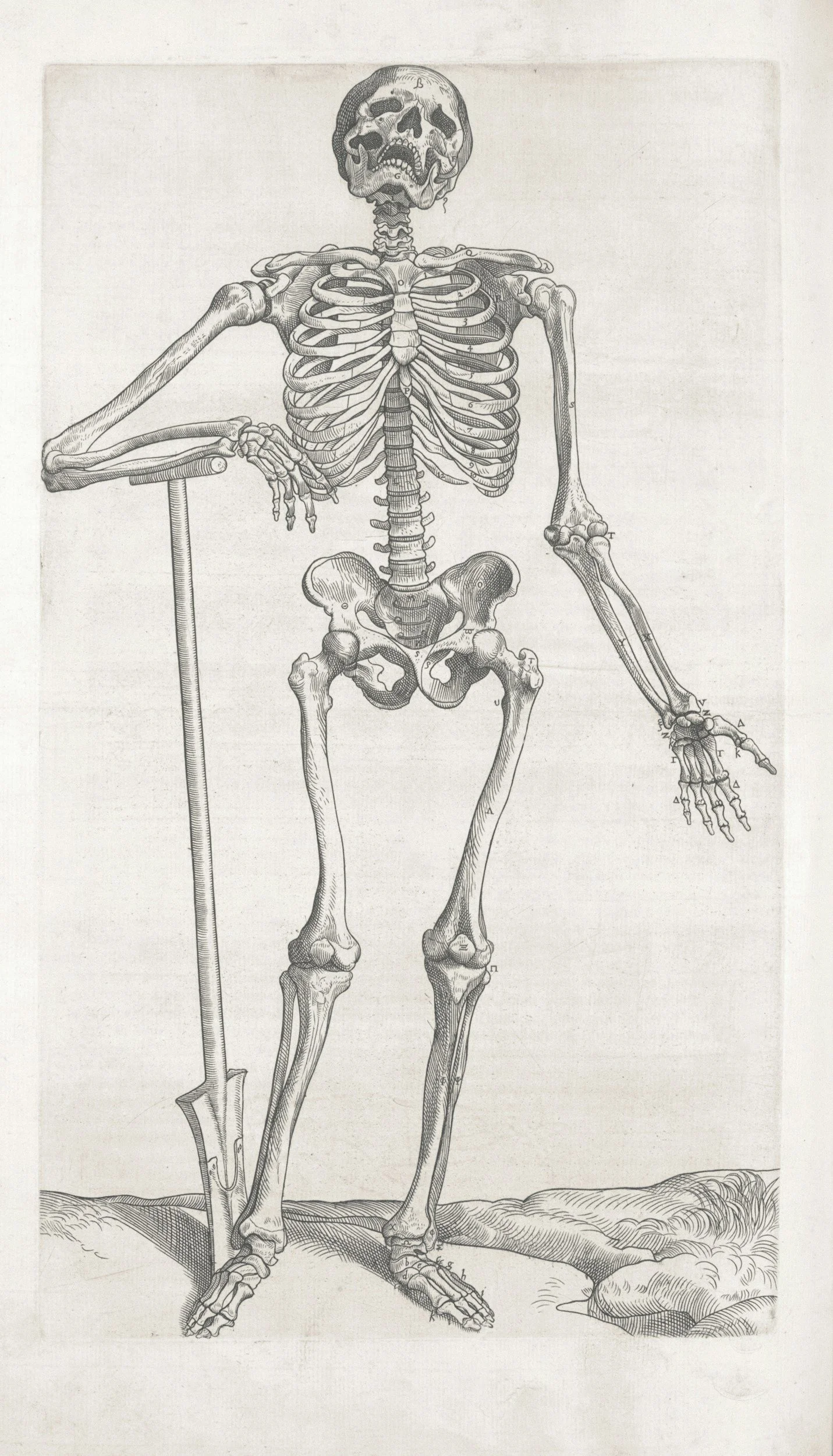
Your bones are living tissue constantly being broken down and rebuilt through bone remodeling, which requires amino acids as structural substrate.
Calcium and vitamin D get attention, but without adequate protein, your bones can't remodel effectively.
Animal protein provides all nine essential amino acids in the ratios your body needs, while plant proteins are often incomplete.
The body's default program is to heal itself, your job is to give it what it needs, and animal protein makes that simpler. Carnosine is one of those amino acids found in animal protein that supports healthy bone structure.
Leucine, abundant in animal protein, stimulates muscle protein synthesis and plays a role in bone formation. Research shows higher protein intake from animal sources is associated with better bone mineral density in older adults.
Key Takeaway: Bone health depends on protein quality and quantity. Animal protein delivers the complete amino acid profile your bones need to remodel effectively, plus the cofactors like vitamin B-12 and heme iron that support the cellular processes behind bone maintenance.
Animal vs. Plant Protein for Muscle: What the Evidence Shows
Studies examining protein quality and muscle protein synthesis consistently show that animal protein is more efficient at stimulating muscle growth and repair due to amino acid composition and bioavailability.
Plant proteins are lower in leucine and branched-chain amino acids, requiring more total volume to achieve the same muscle-building stimulus, often requiring excess carbohydrates. Many women over 35 are under-eating protein because they're following dietary patterns that don't match their actual nutritional needs.
Animal protein comes with micronutrients supporting muscle health: B-vitamins for energy metabolism, iron for oxygen delivery, zinc for protein synthesis, and carnitine for mitochondrial function, a coordinated package supporting muscle maintenance and recovery.
Protein Needs for Older Adults: Why More Matters Now
Sarcopenia, age-related loss of muscle mass, is preventable through adequate protein intake, resistance training, and supporting micronutrients. Yet most people over 35, especially women, aren't eating enough protein to prevent it.
The recommended dietary allowance of 0.8 grams per kilogram of body weight is often considered outdated for older adults. Research suggests that 1.2 to 1.6 grams per kilogram may be more appropriate for maintaining lean body mass in this demographic. For example, a 150-pound woman might aim for 82 to 109 grams daily, rather than the lower 54 grams. Many women find they aren't hitting this higher target.
Women have internalized decades of advice to eat less, but weight loss and body composition are not the same thing. You can lose weight while losing muscle mass, sarcopenic obesity, ending up lighter but weaker and slower. The purpose of eating and exercise is longevity and function. A woman weighing 150 pounds with 35% body fat and low muscle mass will experience more disability than a woman weighing 160 pounds with 25% body fat and strong muscle mass. The scale tells you nothing about this difference.
With the introduction of GLP-1 I’m seeing women exchange body weight for frailty. Their muscles become something like rebar. As muscle mass declines the remaining muscle struggles to function because there isn’t enough of it. Think of the muscle mass of a sedentary elderly person. They don’t have much muscle and what they do have is insanely tense. I’m now seeing this in women in their 50’s and 60’s who are taking GLP-1, without proper supervision. They chase the scale and ignore overall health.
To prevent muscle wasting they have to increase their animal protein and lift weights — ironically that’s the same thing I’d tell anyone to start with if they were serious about body fat loss.
Hitting 100+ grams of protein daily requires intentionality. To hit higher intake, you need to prioritize animal protein at every meal, which becomes difficult for those with smaller appetites or digestive challenges. A typical day, oatmeal breakfast (10g), chicken salad lunch (30g), fish dinner (35g), totals 75 grams, still short. Even then, a day of eating like that won’t likely help anyone lose body fat, maintain muscle mass, or age well.
Schedule Your First Coaching Session With Jennifer →
Appetite decline in older adults is real, taste and smell change, hunger hormones shift, and some medications suppress appetite. Animal protein is more satiating and nutrient-dense than plant protein, delivering more amino acids and micronutrients in smaller volume. A 4-ounce serving of beef provides 35 grams of protein plus creatine, carnitine, heme iron, and B-vitamins; plant sources require significantly more volume.
Resistance training increases protein needs further by creating micro-damage that requires amino acids for repair. Many women over 35 exercise regularly but don't eat enough protein to support adaptation, working hard without seeing results and abandoning the routine in frustration.
Translating higher protein into meals: three eggs with vegetables (18g), sardines or cheese (8-10g), salmon with vegetables (30g), beef jerky or chicken (10-15g), steak with vegetables (35g) totals roughly 110-120 grams spread across the day. It requires planning but is achievable.
Individual variation matters, very active people may need more protein, those with kidney disease should work with their healthcare provider, those with digestive issues may need easily digestible sources like fish or eggs, and those with small appetites might benefit from bone broth. The point is to investigate what amount of protein actually supports your energy, muscle maintenance, and recovery.

Women especially need to hear this: you aren't eating enough animal protein to sustain muscle mass and longevity.
This isn't a judgment; it's an observation based on what most women are actually consuming. If you're over 35, experiencing fatigue, noticing changes in your body composition, or dealing with aches and stiffness, inadequate protein is worth investigating as part of the picture. Your body is giving you information. The question is whether you're willing to listen to it.
Animal Protein Sources Worth Investigating
Different animal protein sources deliver different nutrient profiles, and understanding those differences helps you make choices that actually match your body's needs. The mistake most people make is treating all animal protein as equivalent. A serving of beef, salmon, eggs, and dairy each bring something distinct to the table, and your body responds differently depending on which you choose and how often you rotate them.
Beef, especially grass-fed or pasture-raised, is one of the most nutrient-dense animal foods available. A 3-ounce serving of cooked beef provides roughly 25 grams of protein, plus creatine (about 350 mg per serving), carnitine, heme iron (2-3 mg, highly absorbable), zinc (5-7 mg), and B-vitamins including B-12. Red meat is also rich in carnosine, the amino acid compound that buffers lactic acid during muscle work and protects cells from oxidative stress. If you're experiencing muscle fatigue, slow recovery, or that creeping sense of weakness, beef is worth investigating. The fat content matters too, grass-fed beef has a higher ratio of omega-3 to omega-6 fatty acids compared to grain-fed, which means less inflammatory load on your system. Many women report that adding beef to their diet can influence their energy and mood, particularly during perimenopause when nutrient demands increase.
Fatty fish like salmon, mackerel, and sardines offer a different package. A 3-ounce serving of salmon delivers about 25 grams of protein, plus vitamin D (roughly 450-570 IU, depending on whether it's wild or farmed), omega-3 fatty acids (EPA and DHA), selenium, and B-vitamins. Wild salmon has higher vitamin D content than farmed. If bone health is a primary concern and you're not getting consistent sun exposure, fatty fish becomes particularly relevant. The omega-3 content also contributes to anti-inflammatory processes, which can be helpful if you're dealing with joint stiffness or persistent aches. Sardines and mackerel, often overlooked, are even more nutrient-dense than salmon and are typically less expensive. A can of sardines provides complete protein, calcium (if you eat the bones), vitamin D, and selenium in a single serving. The trade-off: fish requires more attention to sourcing and storage, and some people find the taste or texture challenging.
Eggs are a complete protein source that deserves more attention than it typically receives. One large egg contains about 6 grams of protein, plus choline (140 mg, important for brain health and nervous system function), lutein and zeaxanthin (for eye health), and all nine essential amino acids in optimal ratios. The yolk contains most of the micronutrients, including selenium, iodine, and B-vitamins. Eggs are also one of the few food sources of vitamin D, though the amount varies based on how the hen was raised, pasture-raised eggs have higher vitamin D content. For women over 35, choline is particularly relevant because it supports methylation, a cellular process that becomes less efficient with age and affects everything from hormone metabolism to cognitive function. Eggs are also practical: they're shelf-stable, quick to prepare, and well-tolerated by most people. The concern about dietary cholesterol and eggs has been re-evaluated by research; your body needs cholesterol for hormone production, and dietary cholesterol does not directly translate to blood cholesterol in most people.
Poultry, chicken and turkey, offers lean protein with less fat than beef or fish. As women age we need more fat, not less. A 3-ounce serving of cooked chicken breast provides about 26 grams of protein with relatively low fat content, plus B-vitamins (especially niacin and B-6), selenium, and phosphorus. Poultry is versatile, affordable, and well-tolerated. The trade-off is that it's lower in some of the unique nutrients found in beef and fish: less creatine, less heme iron, less omega-3 content. If you're relying primarily on poultry and not rotating in beef or fish, you may be missing micronutrients that support bone remodeling and muscle recovery. Many people default to chicken because it's lean, but "lean" isn't always what your body needs, especially if you're over 35 and dealing with hormonal shifts or declining energy.
Dairy, milk, yogurt, cheese, provides protein alongside calcium and vitamin B-12. A cup of whole milk contains about 8 grams of protein, 300 mg of calcium, and 0.9 mcg of B-12. Cheese is more concentrated: one ounce of cheddar provides 7 grams of protein and 200 mg of calcium in a small serving. Yogurt, especially full-fat varieties, provides protein, probiotics (if it's live-culture yogurt), and calcium. Dairy is one of the easiest ways to meet calcium needs alongside protein, which is why it shows up in most bone health recommendations. The consideration: some people don't tolerate dairy well due to lactose intolerance, casein sensitivity, or histamine content in aged cheeses. If you're experiencing digestive symptoms, headaches, or joint inflammation and you're consuming a lot of dairy, it's worth investigating whether dairy is working for your individual system. Goat dairy and sheep dairy are sometimes better tolerated than cow dairy because the protein structure is different.
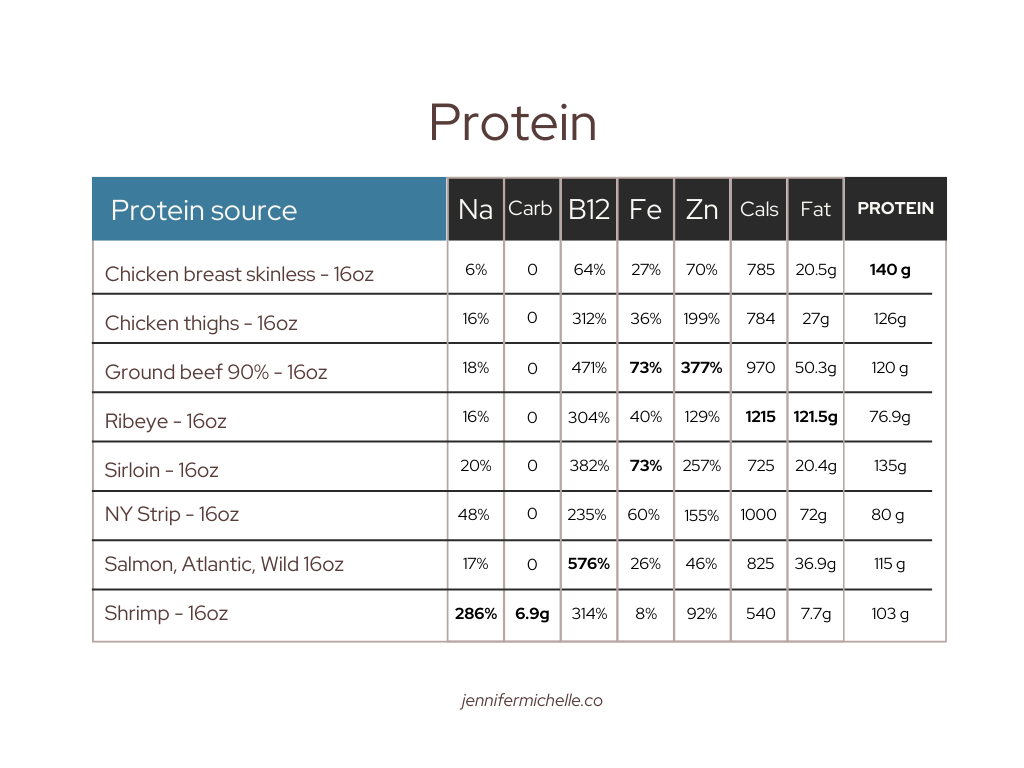
Ribeyes are popular because they have the best fat to protein ratio.
Here's what matters: your body is giving you information about which sources work best for you. Some people thrive on beef-heavy diets. Others do better rotating multiple sources. Some experience joint pain or digestive issues with certain proteins and feel dramatically better when they switch. Rather than following a one-size-fits-all recommendation, pay attention to how you feel after eating different sources. Do you have more energy? Better sleep? Less stiffness? Improved digestion? Your experience is worth investigating. The quality of the animal protein also matters, grass-fed beef, wild fish, pasture-raised eggs, and dairy from grass-fed cows have different nutrient profiles than their conventional counterparts. These differences are real, and they influence how your body responds.
The Body's Signal: What Happens When You Eat Enough Animal Protein
When you're eating adequate animal protein, your body may send clear signals. You might notice your muscles feel stronger and recover faster from activity. Your energy could be more stable throughout the day, with fewer afternoon crashes. You might also observe improvements in your hair and skin. Cravings may diminish as your body's nutrient needs are met. Your mood could stabilize, and anxiety might decrease. Your bones might feel more stable, and your joints less creaky.
This is your body responding to adequate nutrition. Many people don't realize how much of what they've attributed to aging could be related to nutritional factors. Stiffness, fatigue, brain fog, mood changes, these are often signals that something fundamental is worth investigating, rather than simply signs that your body is inevitably declining.
Women especially report that increasing animal protein intake shifts their experience of perimenopause and menopause. Hormones depend on cholesterol and fat for synthesis. Your adrenals need amino acids and micronutrients to produce stress hormones. When you're undereating protein and fat, your body struggles to maintain hormonal balance. The symptoms get worse. Adding adequate animal protein may often support improvements in energy, mood, sleep, and the intensity of hot flashes.
Your body is giving you information about what it needs. Maybe it's not your age. Maybe it's that the nutritional foundation you've been building on is incomplete. Animal protein for bone and muscle health isn't a trend or a restriction, it's an investigation into what your individual body actually requires to feel strong, stable, and capable.
If you're experiencing persistent aches, stiffness, or that sense that your body isn't responding the way it used to, nutrition is one piece of the puzzle. Movement, sleep, stress, and how your body holds tension matter too. Understanding how these pieces fit together requires looking at your individual situation rather than applying generic recommendations. If you'd like to explore what's actually driving your symptoms and how nutrition, movement, and bodywork might work together to support your recovery, health coaching offers a way to investigate these patterns more deeply. (Your first session is free BTW) You can also schedule a massage appointment to begin exploring how your body communicates through tension and restriction.
Frequently Asked Questions
What specific nutrients in animal protein support bone and muscle health?
Animal protein supplies amino acids your body uses to build and repair bone and muscle tissue, but it also provides nutrients plant protein doesn't: creatine for muscle strength and energy production, carnosine and carnitine for cellular function and disease prevention, heme iron for oxygen transport and energy, B-12 for nerve and energy metabolism, and taurine for muscle and nervous system health. These nutrients work together to maintain bone mineral density, support muscle protein synthesis, and keep your body functioning across all systems.
Is animal protein better than plant protein for building and maintaining muscle?
Animal protein contains all nine essential amino acids in the proportions your body needs, plus creatine and carnosine that plant sources lack entirely. Plant proteins are often incomplete or require combining multiple sources to get the full amino acid profile. For muscle maintenance and building, especially important as you age, animal protein is more efficient and supplies the cofactors your cells need for energy production and muscle protein synthesis. This doesn't mean plant protein has no value, but for muscle longevity, animal protein is the more direct path.
How much protein do adults need to maintain muscle as they age?
Protein needs increase with age, not decrease. Older adults require more dietary protein to maintain muscle mass and bone density than younger people eating the same amount. Most research suggests adults over 50 benefit from higher protein intake than conventional guidelines recommend, with individual needs depending on activity level, current muscle mass, and metabolic health. Rather than following a generic number, paying attention to how you feel, your energy, recovery, strength, and how your clothes fit, often tells you whether you're eating enough animal protein for your particular body.
Can eating enough animal protein help preserve muscle during weight loss?
Yes. When you eat adequate animal protein while reducing calories, your body is more likely to preserve lean muscle and lose fat instead. Protein supports muscle protein synthesis, provides satiety so you're less likely to overeat, and supplies the amino acids and cofactors your cells need to function. Many people chase the scale and lose muscle along with fat, becoming frailer as they age. Prioritizing muscle preservation through adequate animal protein, especially as you get older, supports longevity and function far more than the number on the scale.

The Other 23 — Spiral Notebook
Your massage might last an hour. Your life happens during the other 23.
This notebook is a place to pay attention to those hours.
Because feeling better isn't only about what happens on the massage table—or in the gym, or on the scale. It's the little things you do, think, eat, drink, and experience throughout the rest of your day that add up to the bigger picture.
Use The Other 23 to keep track of the things that matter to you:
🥩 What you ate and how you felt afterward
😴 Sleep, energy, and recovery
☀️ Time outside and exposure to sunlight
🚶 Daily movement and activity
🧠 Mindset, stress, and things worth noticing
💧 Hydration and habits
✨ Wins, observations, experiments, and “aha!” moments
Or don't track a damn thing. 😉
It's also simply a really nice notebook.
Use it for your grocery list, work notes, sketches, brilliant ideas, hiking plans, journaling, brain dumps, or the random thought that arrives while you're standing in the shower and absolutely must be written down before it disappears.
The point isn't perfection. The point is paying attention.
Your body is giving you information all day long. Sometimes you just need a place to write it down.
Inside you'll find:
• 118 ruled pages (59 sheets) of smooth 90 gsm paper
• A sturdy 350 gsm front and back cover
• Metal spiral binding that lies flat for comfortable writing
• A handy document pocket inside the back cover for receipts, notes, tickets, or loose ideas
• Compact 6" × 8" size—easy to carry in a bag, backpack, or tote
• Dark grey back cover for a clean, grounded finish
Take it to work. Throw it in your hiking bag. Keep it beside your bed. Bring it to your next massage.
Use it to track your habits. Use it to clear your head. Use it to figure out what makes you feel good.
Or just use it to write stuff down.
Because what happens during The Other 23 matters.
