


Table of Contents
The Connection Between Lectins and Joint Discomfort
Lectin Sensitivity Symptoms: How to Recognize the Signs
Foods High in Lectins: What to Watch For
Gut Permeability and Joint Pain: The Leaky Gut Connection
The Gluten-Free Myth: Why Lectins Are Everywhere
Next Steps for Investigating Your Joint Discomfort
Frequently Asked Questions
The Connection Between Lectins and Joint Discomfort
I know how lectins joint pain works firsthand. Several years ago my hands ached every morning, and I assumed it was just the price of doing bodywork for a living. Then I removed a handful of plant foods and the stiffness lifted within two weeks.
Lectins are carbohydrate-binding proteins that plants make as a defense. They bind sugar molecules on cells, including the cells lining your gut, and that binding is where the trouble starts. Dr. Peter Osborne makes this case in No Grain, No Pain, and my own article on plant compounds and joint pain digs into the specific chemistry.
Joint pain is often framed as a purely mechanical problem. Wear and tear matters, but immune activation linked to gut barrier changes deserves a place in the investigation.
Lectin Sensitivity Symptoms: How to Recognize the Signs
Lectin sensitivity symptoms rarely show up as joint pain alone. Symptoms often arrive as a cluster, and the cluster is the clue.
Watch for these patterns:
Bloating, gas, or bowel changes after beans, grains, or nightshades
Morning stiffness that eases as the day goes on
Aching in the hands, knees, or low back that moves around
Fatigue that hits after meals
Skin flare-ups, rashes, or unexplained itching
Brain fog and headaches
One symptom means little. A recurring pattern tied to specific foods means a lot. Keep a simple log for two weeks: what you ate, how you felt the next morning. Patterns show up fast when you write them down.
Foods High in Lectins: What to Watch For
Foods high in lectins fall into a few predictable groups. Legumes top the list, and lentils sit right there with beans and soy. Whole grains, especially wheat, carry lectins along with gluten. Nuts and seeds hold them too, and nightshades like tomatoes, peppers, potatoes, and eggplant add their own load.
Here's the part almost nobody mentions. There is no such thing as gluten-free in the strict sense. All grains, beans, nuts, seeds, and nightshades contain lectins. So does any produce picked green and ripened on a truck with ethylene gas. That means a "gluten-free" cracker made from rice flour still delivers a lectin load. And it’s usually covered in Round-up which is a post for another day.
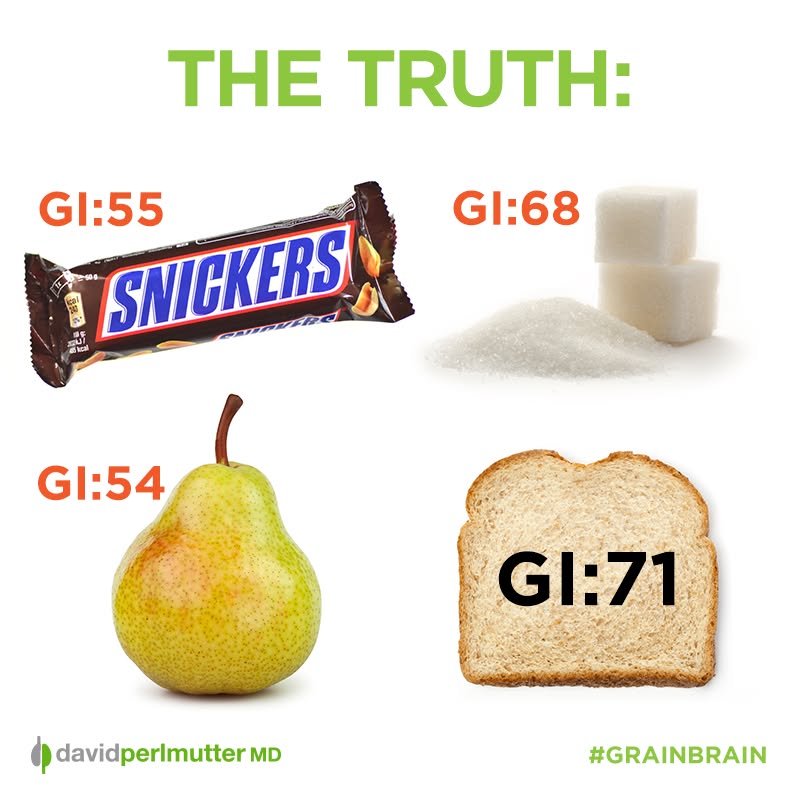
Grains = Sugar.
The glycemic index of various foods.
It’s not just the lectins you have to watch out for. Sugar is also in the picture, my article on how sugar may be making your joint pain worse explains the blood sugar side of the equation. This is one of the other reasons people don’t usually find complete relief on a “gluten free” diet.
Gut Permeability and Joint Pain: The Leaky Gut Connection
Gut permeability and joint pain may connect through the immune system, and the proposed mechanism is worth examining closely. The intestinal lining is a single layer of cells sealed together by tight-junction proteins, zonulin, occludin, claudins. Those junctions are supposed to be selective: nutrients in, bacteria and undigested protein out. Lectins bind to the sugar residues on those intestinal cells, and in laboratory and animal work that binding has been shown to disrupt tight-junction integrity and increase intestinal permeability. Once the barrier opens, undigested food particles, bacterial fragments like lipopolysaccharide, and intact lectins slip into circulation.
Your immune system sees these travelers as invaders and mounts a response. That response doesn't stay in the gut. Circulating immune complexes can deposit in joint tissue, and inflammatory cytokines raised in the gut can travel anywhere the blood goes. Dr. Stephen Hussey ties much of chronic pain back to exactly this kind of immune activation in Pain Sense, and Dr. David Perlmutter makes the parallel argument about inflammation and the brain in Grain Brain. The gut-joint axis is not a fringe idea, and some rheumatology research has examined intestinal permeability in people with rheumatoid arthritis.
The molecular-mimicry piece is where gluten and lectins overlap. Certain dietary proteins share amino-acid sequences with joint and connective-tissue proteins. When a leaky barrier lets those dietary proteins through, the immune system can raise antibodies against them that also recognize self-tissue. Peter Osborne builds his clinical case on this chain in No Grain, No Pain, and my article on plant compounds and joint pain walks through the specific chemistry for readers who want the source material.
Intestinal permeability has been studied in relation to several chronic conditions, including some autoimmune and inflammatory disorders. The mechanism is worth taking seriously enough to test in your own body. For a practical look at calming the fire, see my guide on managing inflammation naturally.
The Gluten-Free Myth: Why Lectins Are Everywhere
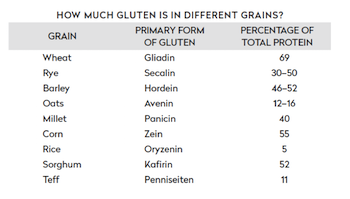
There’s No Such Thing As Gluten Free Grains
Taken from Dr. Peter Osborne’s Book:
No Grain, No Pain.
The gluten-free label solves one problem and ignores a bigger one. Gluten is a single protein family. Lectins are a whole category of carbohydrate-binding proteins found across the plant kingdom, and they don't disappear when you remove wheat.
Consider what "gluten-free" actually means on a package. It means no wheat, barley, or rye. It says nothing about the rice flour, corn starch, lentil pasta, or nut flours that replaced them. Every one of those brings its own lectins to the table.
This is where Dr. Shawn Baker's clinical observations get interesting. He has described cases in which patients on a ketogenic diet, which is largely a diet of fewer lectins, avoided orthopedic surgery. Fewer grains, fewer beans, fewer plant defense compounds.
Next Steps for Investigating Your Joint Discomfort
If you've read this far, you're probably wondering whether lectins are behind your own pain. The honest answer is that you can't know until you test it in your own body, and you shouldn't guess at it alone.
Start with a two-week food and symptom log. Bring it to a coaching conversation. I’ve reduced my own lectin consumption after discovering it was a trigger for my own joint pain. There’s a way to go about it so you don’t end up with a keto-flu. It’s also important that you work with someone because cutting your carbohydrate intake can affect the dosage on most medications.
We can also address the mechanical side. Restricted movement and guarded tissue keep pain signals alive even after the dietary trigger is gone. My bodywork is slow and purposeful, working with the body's response rather than forcing tissue. If you want to investigate the tension and movement restrictions alongside the food question, schedule an appointment and we'll map out the patterns together.
Lectins and joint pain is real for a lot of people and the fix can be simpler than years of guessing. If you're ready to stop treating stiffness as an unavoidable part of aging, I can help you investigate what's actually driving it. Health coaching gives you a structured way to test dietary changes and read your own responses, while medical massage addresses the tension and movement restrictions that outlast the trigger. Medical massage is HSA accepted, and both services start with understanding your body rather than applying a routine.
Frequently Asked Questions
Can lectins cause joint pain?
Yes, for some people. Lectins are carbohydrate-binding proteins found in many plant foods. They can contribute to intestinal permeability, allowing undigested proteins and bacterial fragments into the bloodstream, which may trigger an immune response linked to joint discomfort. I've experienced this myself. Not everyone reacts, but if you have unexplained joint pain, it's worth investigating.
What are lectin sensitivity symptoms?
Common lectin sensitivity symptoms include digestive issues like bloating, gas, diarrhea, or constipation, as well as fatigue, skin problems, and joint discomfort. Because lectins can affect the gut barrier, symptoms may extend beyond digestion. Keeping a food and symptom journal can help you identify patterns and determine whether lectins might be a trigger for you.
Does cooking reduce lectins in foods?
Cooking methods like soaking, boiling, and pressure cooking can significantly reduce lectin content in beans and grains. However, they don't eliminate all lectins, and some foods like nightshades and unripe produce may still contain them. If you're sensitive, you may need to avoid certain foods entirely rather than relying on cooking alone.
